
All articles — Page 14
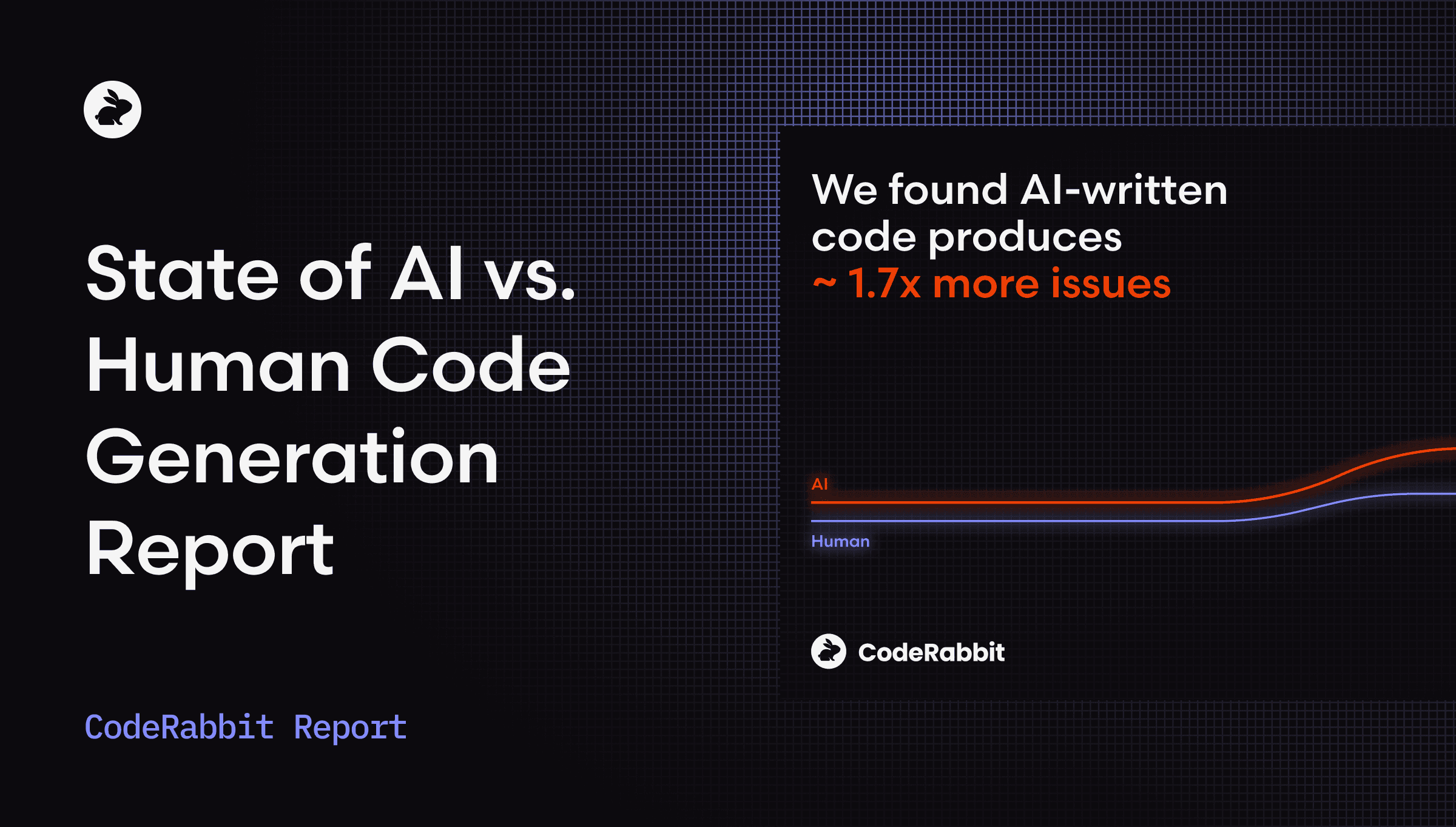
Our new report: AI code creates 1.7x more problems
What we learned from analyzing hundreds of open-source pull requests. Over the past year, AI coding assistants have gone from emerging tools to everyday fixtures in the development workflow. At many organizations, a part of every code change is now m....
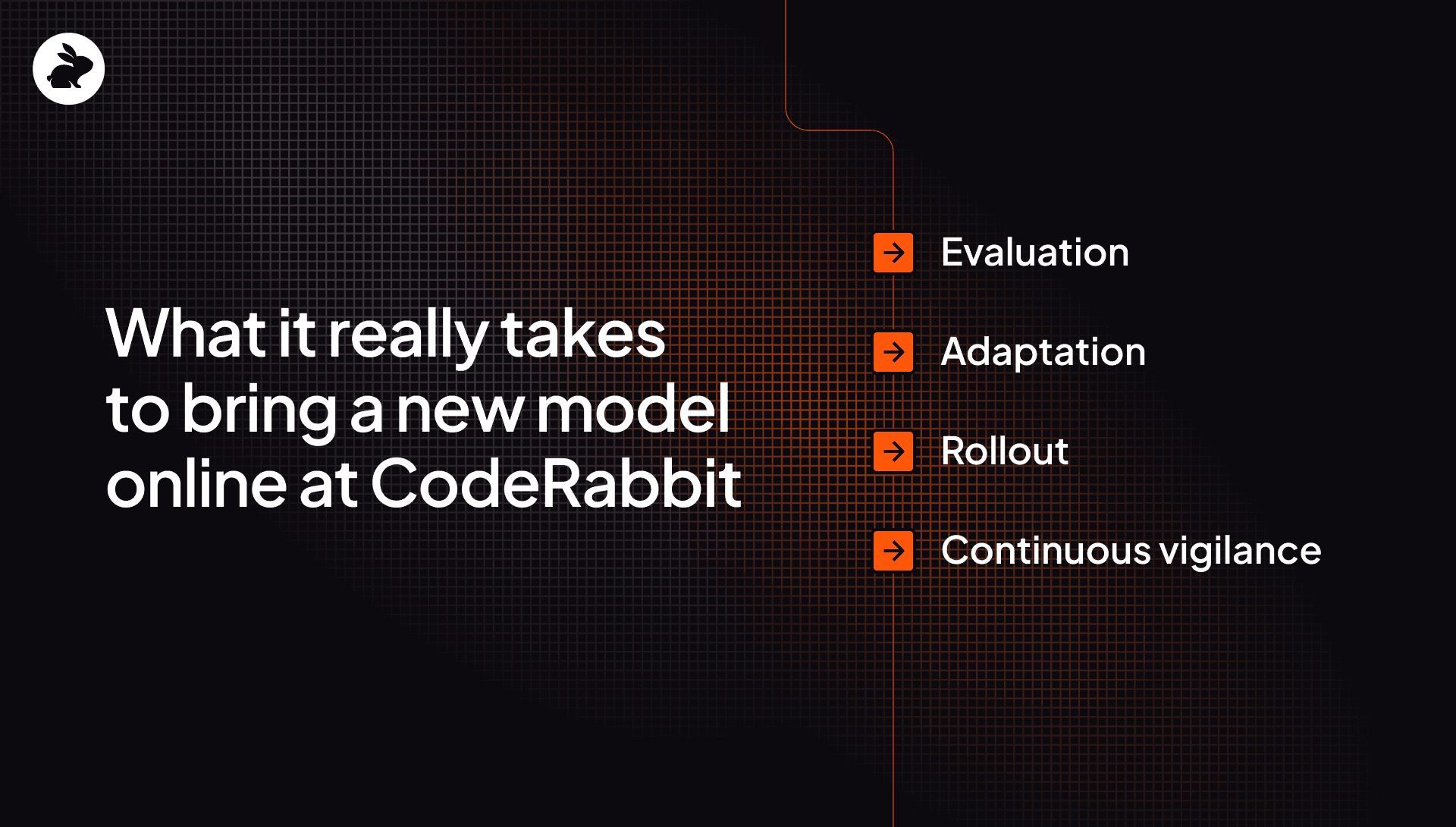
Behind the curtain: What it really takes to bring a new model online at CodeRabbit
When we published our earlier article on why users shouldn't choose their own models, we argued that model selection isn't a matter of preference, it's a systems problem. This post explains exactly why. Bringing a new model online at CodeRabbit isn't....
It's harder to read code than to write it (especially when AI writes it)
"Debugging is twice as hard as writing the code in the first place. Therefore, if you write the code as cleverly as possible, you are, by definition, not smart enough to debug it." Brian Kernighan (co-creator of Unix and co-author of The C Programmi....
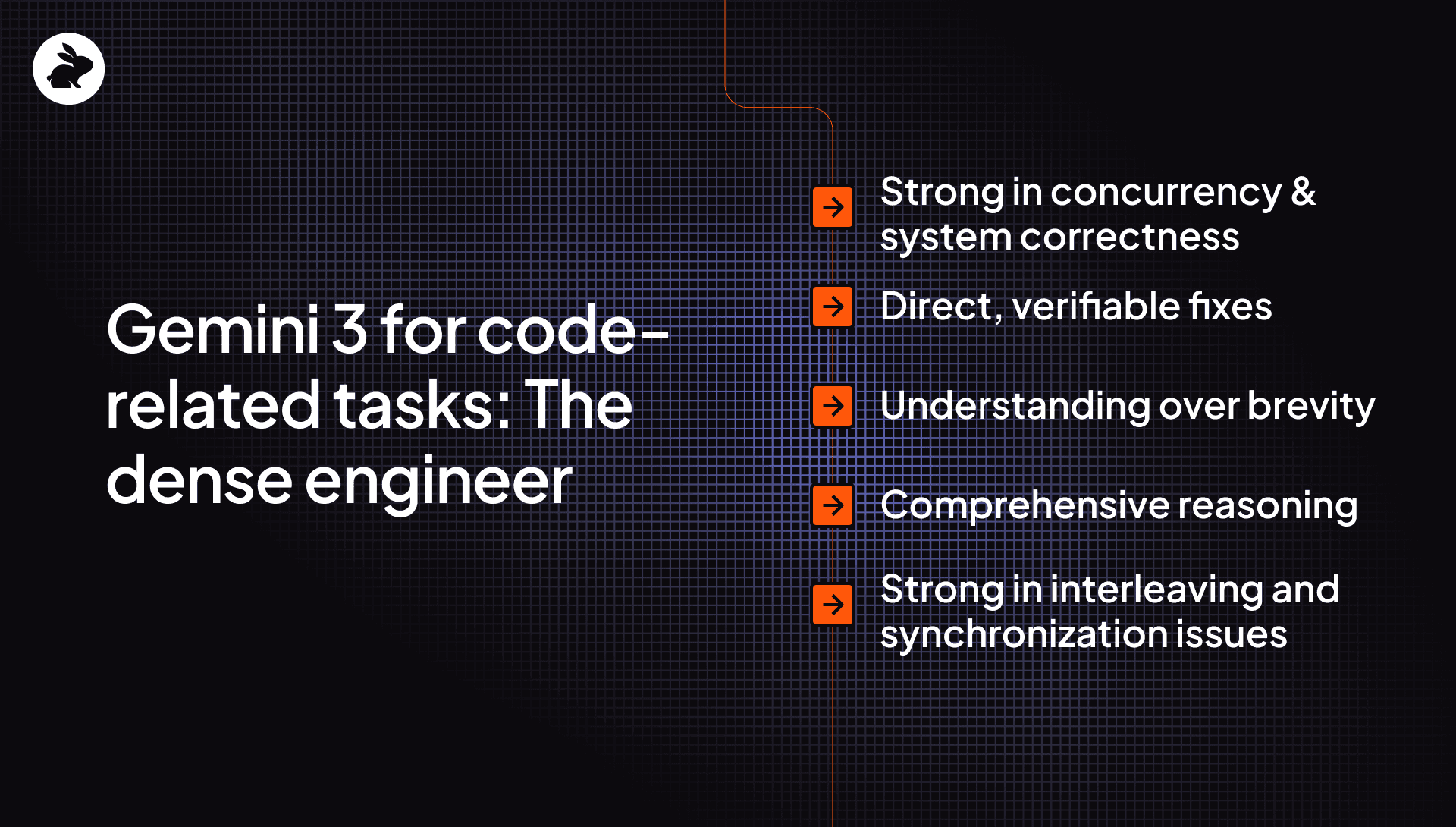
Gemini 3 for code-related tasks: The dense engineer
TL;DR: It doesn’t just write patches; it writes a complete argument for every change. When Gemini 3 is right, it’s spectacularly right. When it’s wrong, it still sounds right. Every model writes in our house style. Gemini 3 rewrites the rules. All o...
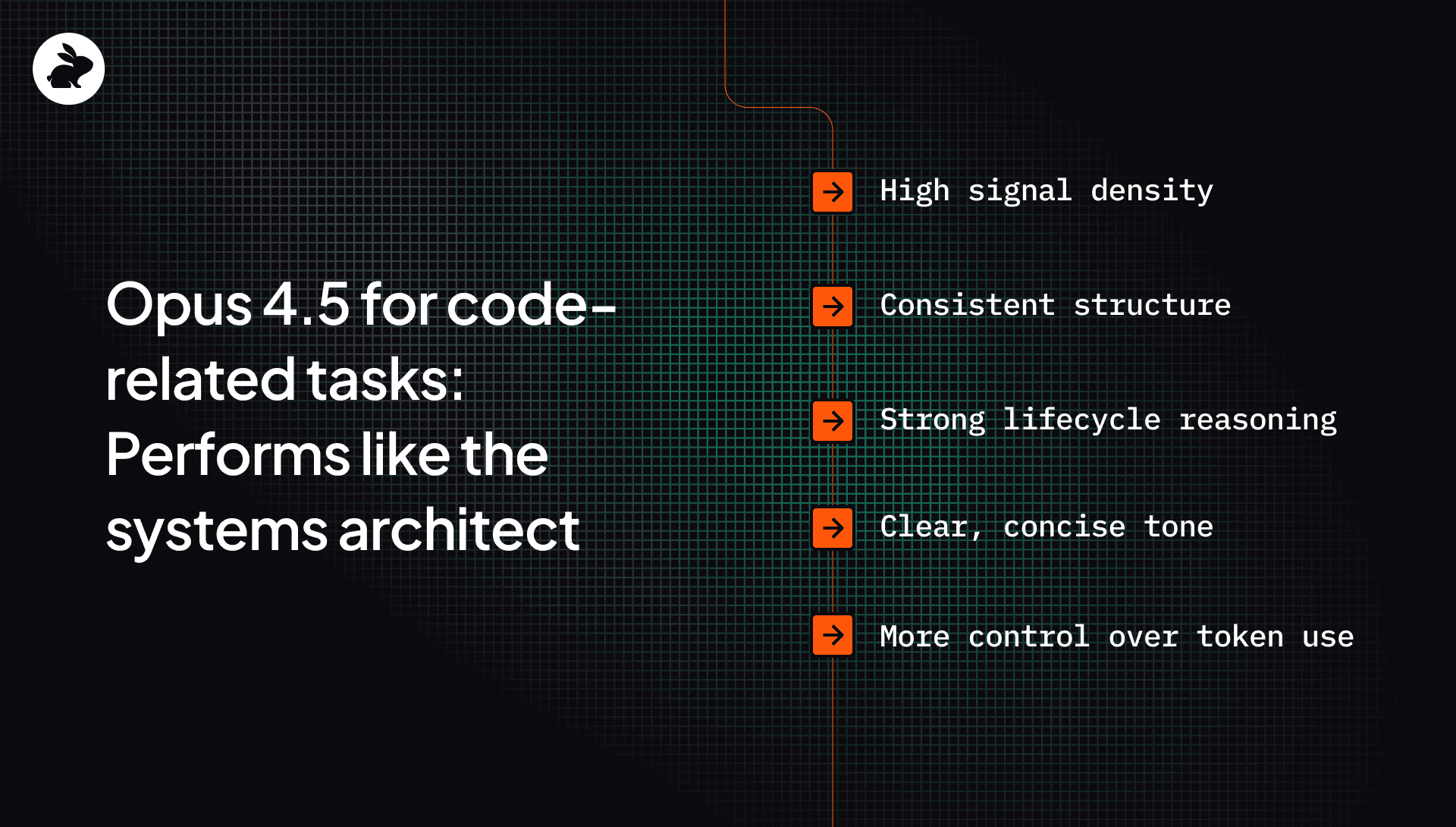
Opus 4.5 for code-related tasks: performs like the systems architect
Every model reasons. Opus 4.5 audits. Every new model arrives with the same promise: smarter reasoning, cleaner code, and better answers. But Opus 4.5 from Anthropic doesn’t just reason; it audits. It reads code as if returning to a system it helped ....
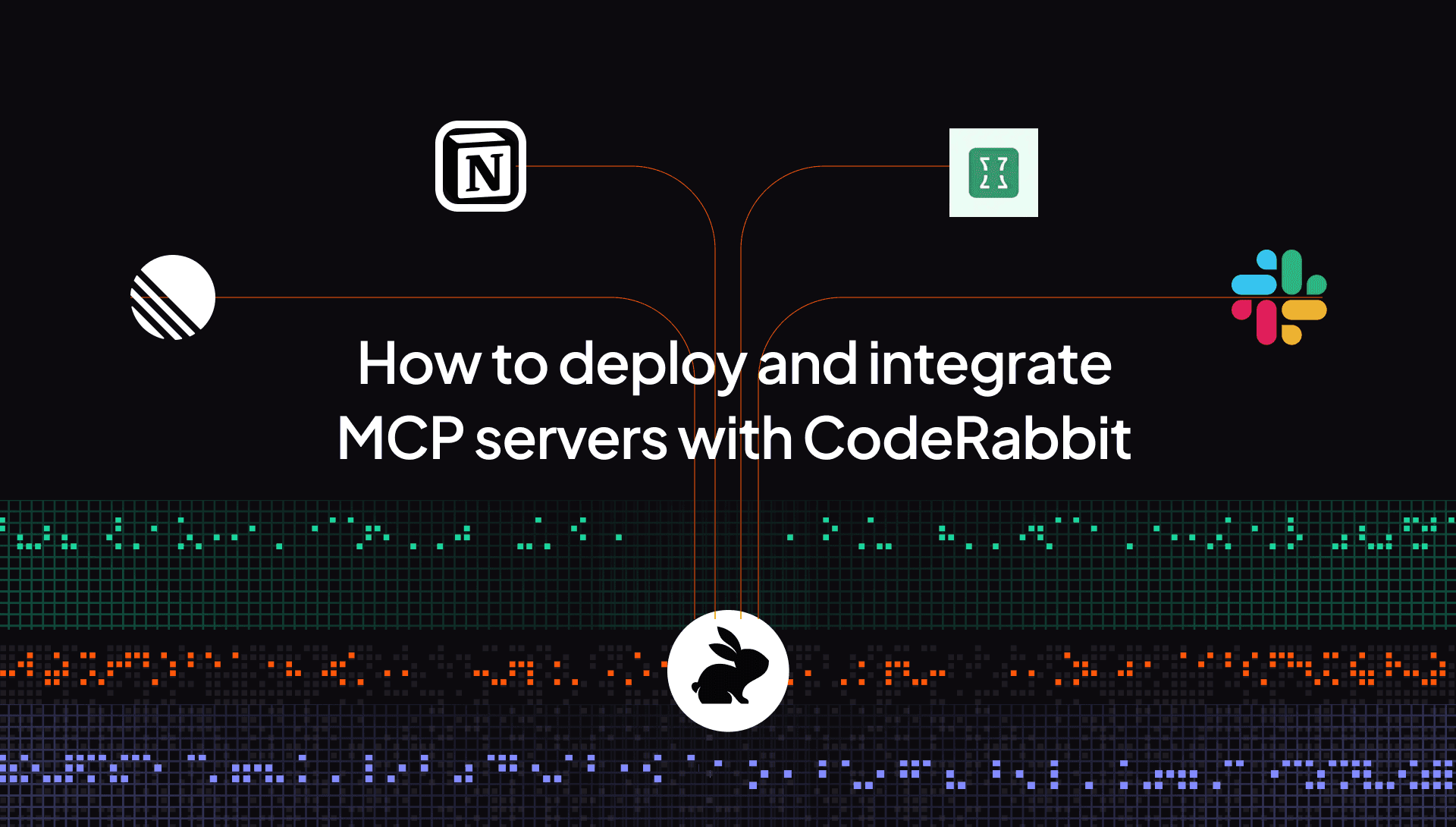
How to deploy and integrate MCP servers with CodeRabbit
MCP servers integrate AI agents into software applications to carry out system-related tasks based on users’ requests. Platforms like Slack, Sentry, Notion, and GitHub Copilot have adopted MCP-style services to expose their features to AI-driven appl....
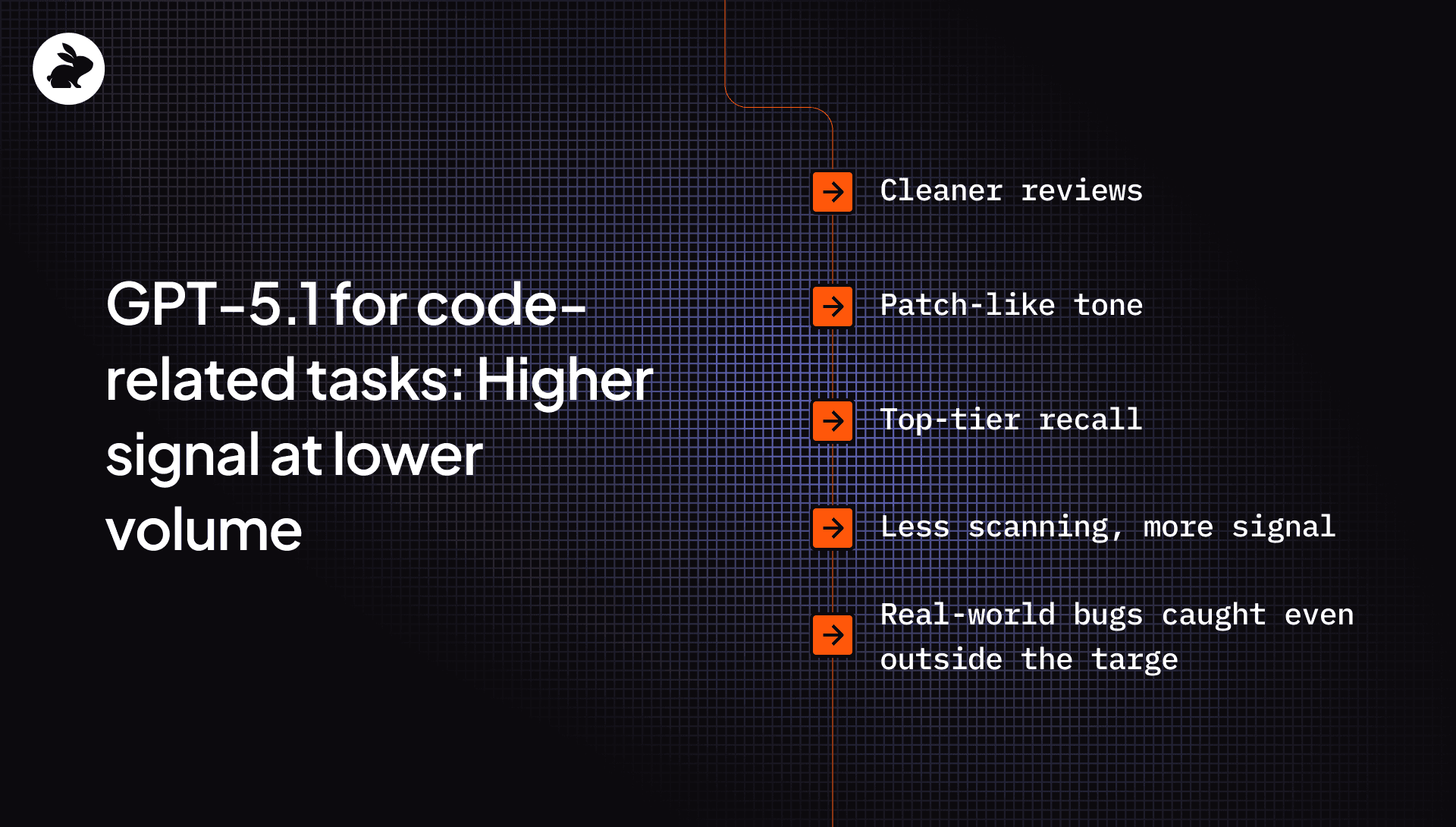
GPT-5.1 for code-related tasks: higher signal at lower volume
TL;DRAfter prompt tuning and integrating it into our stack, GPT-5.1 now delivers the best precision and signal-to-noise ratio (SNR) we’ve seen in reviews, with fewer comments. It tied for the best-in-class error pattern (EP) recall on our hard benchm....

Why emojis suck for reinforcement learning
The simplicity trap Sure, a thumbs up is quick, but is it really teaching your AI reviewer anything useful? Emoji-based feedback feels good, is fast, and universal. On the surface, it even seems to make sense. But code review isn’t a light switch. It....
The rise of ‘Slow AI’: Why devs should stop speedrunning stupid
For as long as we’ve been building with machines, we’ve followed one core rule: faster is better. Lower latency, higher throughput, less waiting; that was gospel. Nobody wanted to wait 600ms for a button to respond or watch a spinner that lasts longe....