
All articles — Page 15
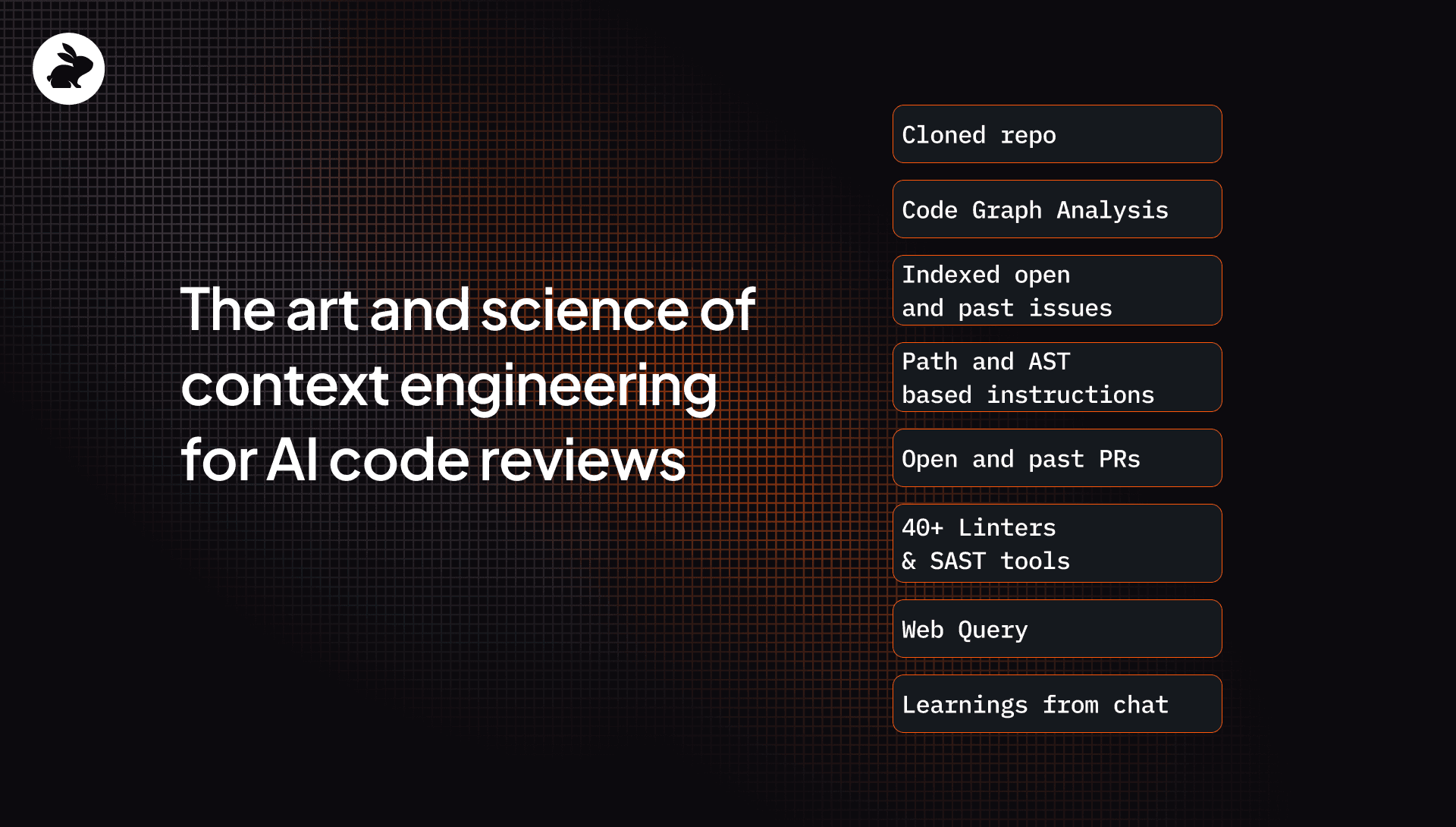
The art and science of context engineering for AI code reviews
The difference between a mediocre and exceptional AI agent comes down to one thing: context. Context engineering has recently become a buzzword. In late June, Shopify CEO Tobi Lutke tweeted about it and Andrej Karpathy chimed in to point out that goo...
What percentage of your code should be AI-generated?
We’ll come clean: That title is mostly clickbait. This isn’t an article where we tell you that 20% or 30% or even 50% of your codebase should be AI-generated. We’re writing this because it’s looking like very soon someone could be telling you that. M...
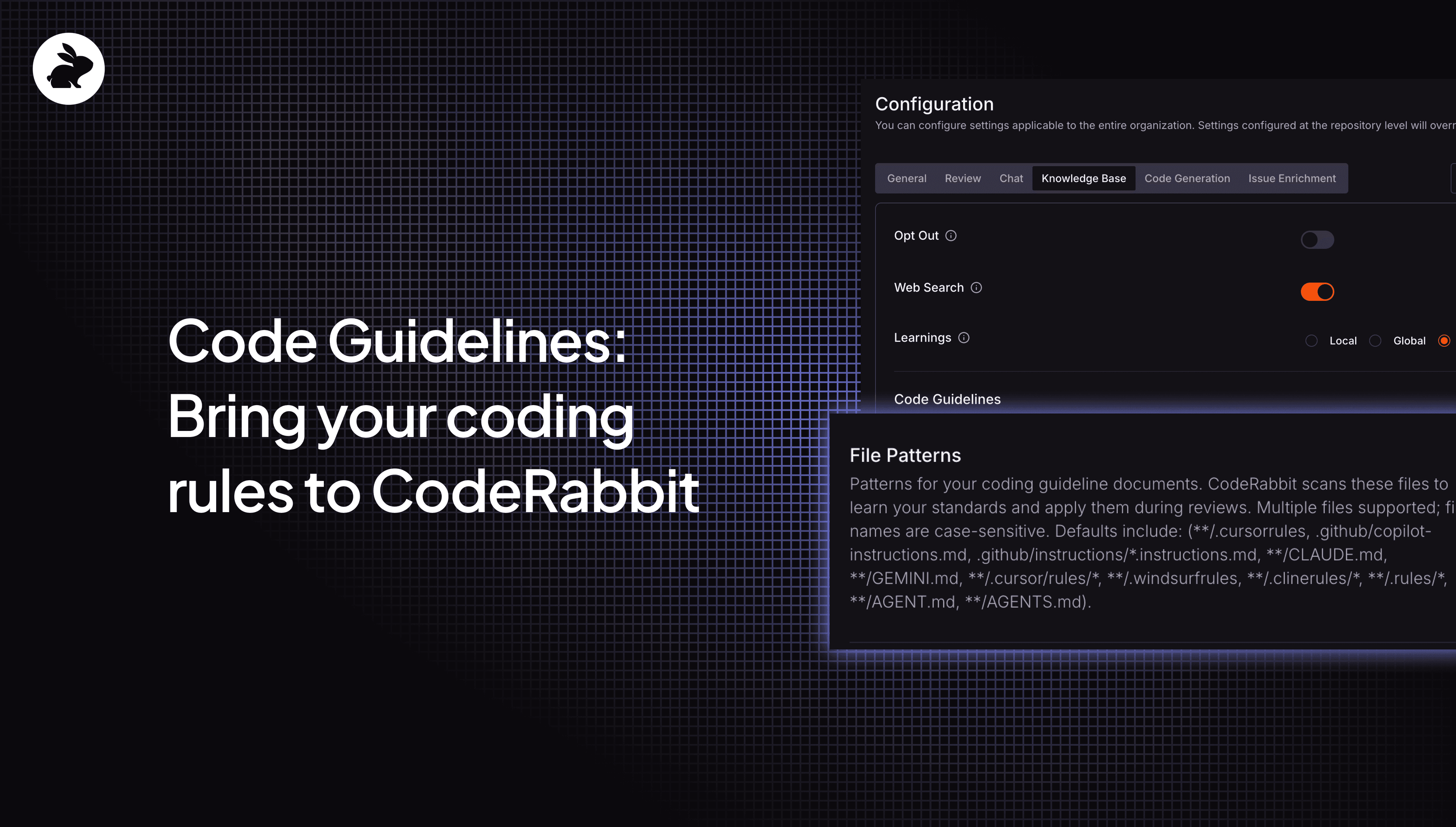
Code guidelines: bring your coding rules to CodeRabbit
Coding Guidelines automatically scans .cursorrules, .copilot-instructions, and other coding standards as part of our context enrichment process.
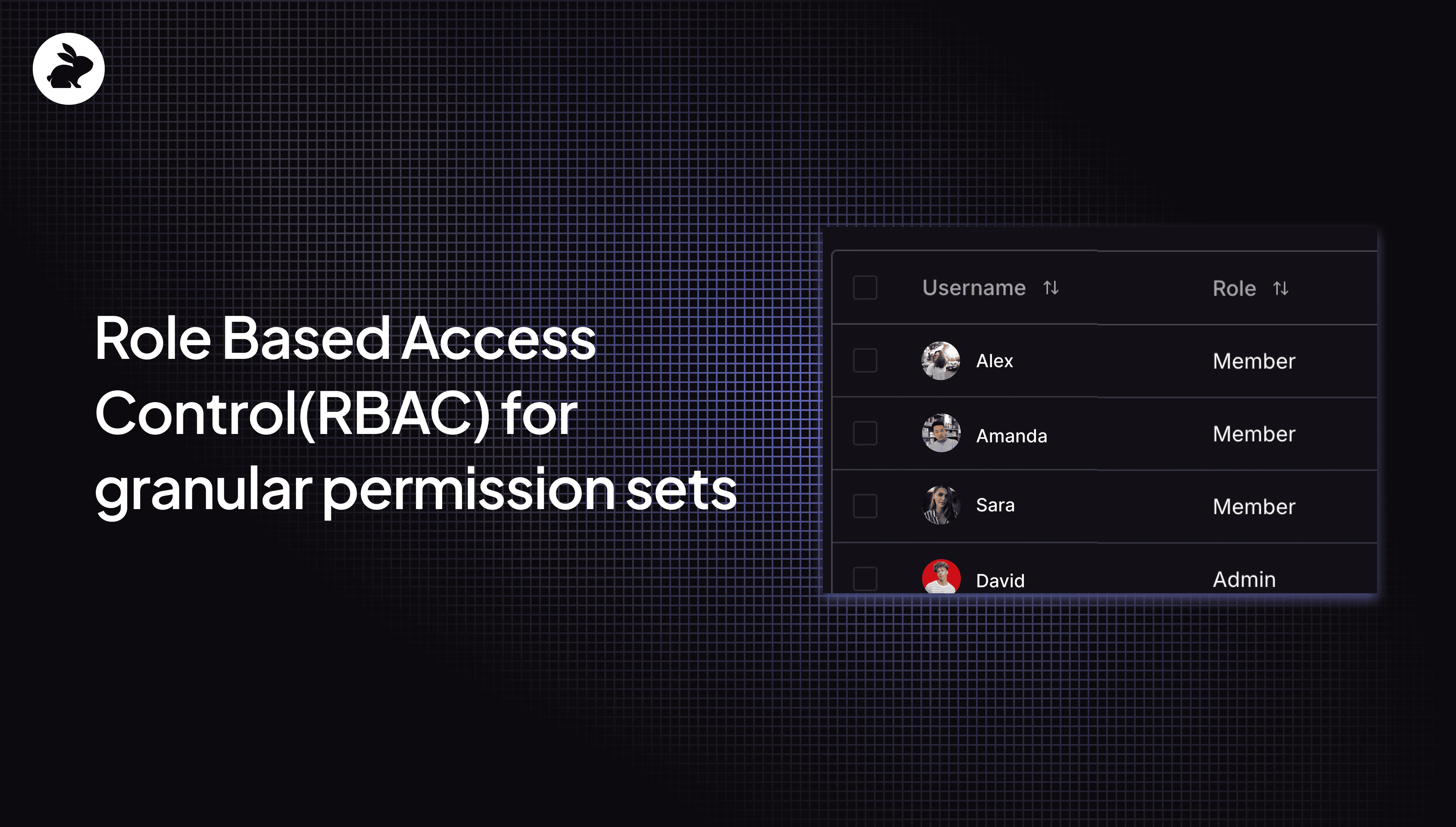
Role-based access control (RBAC) for granular permission sets
RBAC is now available with three separate roles. Assign different permission sets to different CodeRabbit users.
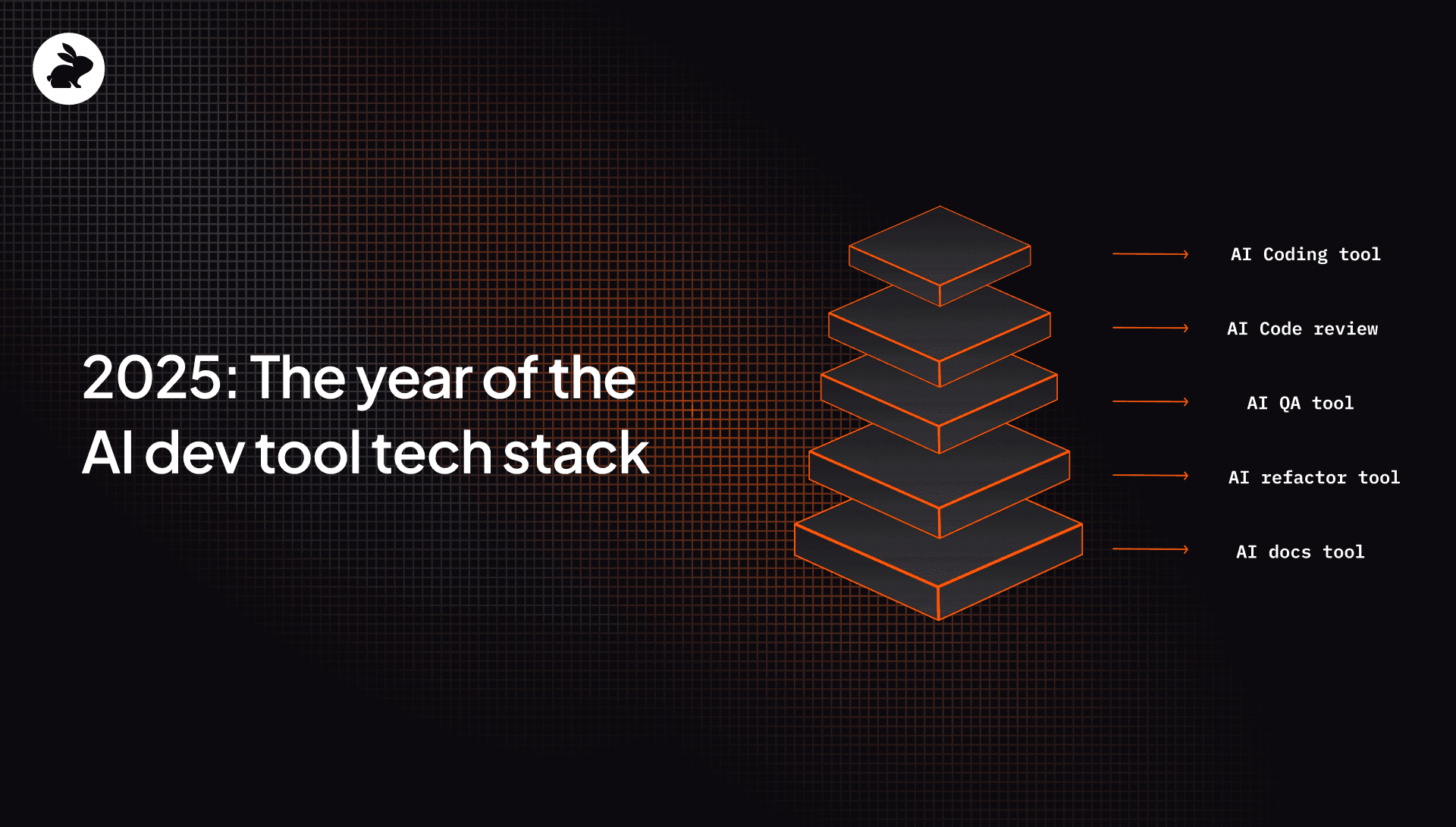
2025: The year of the AI dev tool tech stack
In April, Microsoft and Google announced that AI is generating 30% of the code at their companies. That indicates that AI coding tools have entered a new phase. They’ve become a significant part of engineering workflows – even at large, enterprise co...
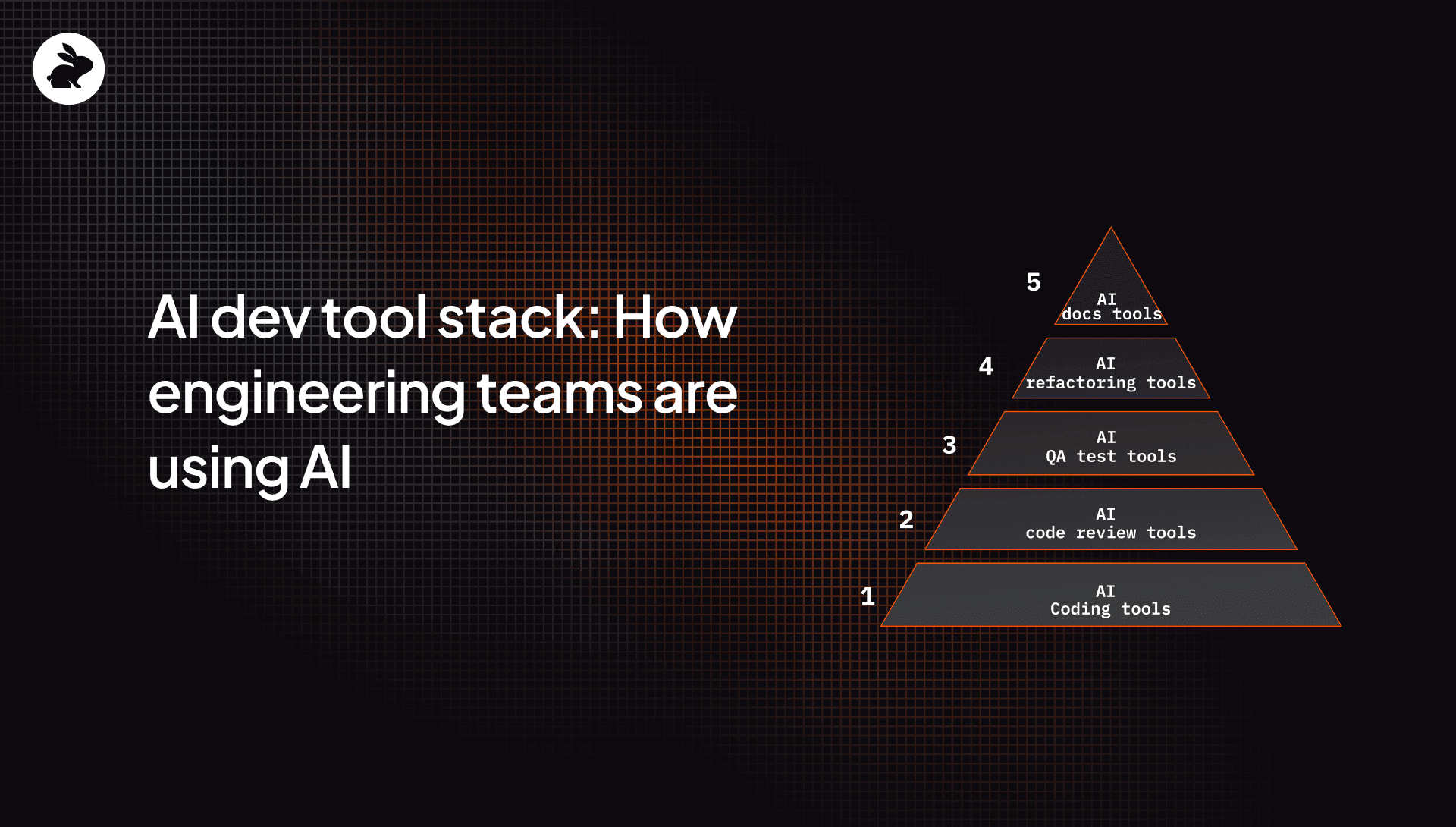
AI dev tool stack: How engineering teams are using AI
In our last post, we covered why we think 2025 is the year of the AI tech stack, the layers in the stack, and even shared some sample stacks we’ve been seeing teams using. Here, we'll dive deeper into how teams are actually putting these tools to wor...
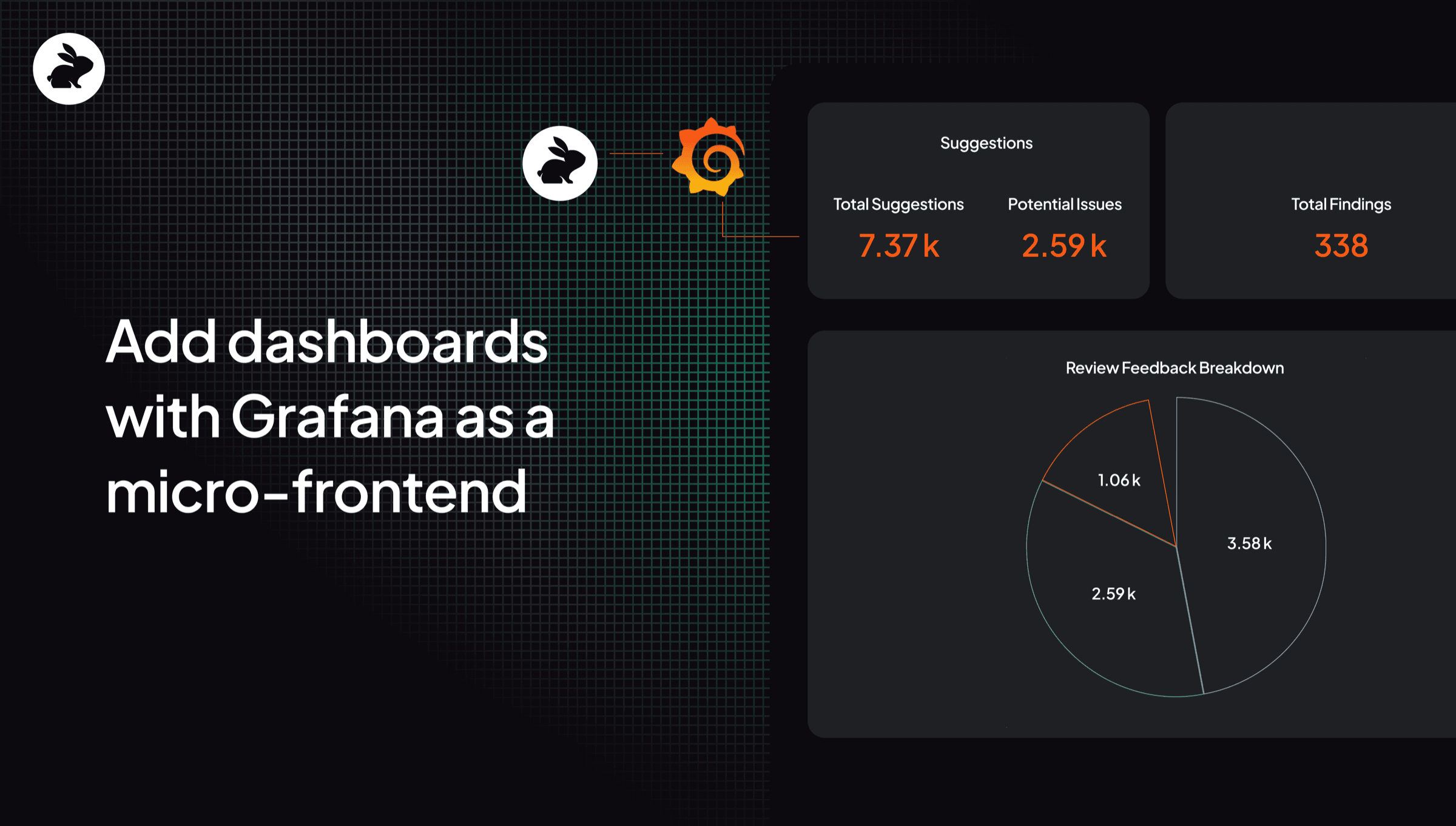
How we built dashboards with a micro-frontend and Grafana
Modern dev teams rely on data. Without analytics, how would you know if your team is improving its deployment velocity and code quality over time? At CodeRabbit, we want teams to have the data that matters when it comes to tracking their performance.

How CodeRabbit helped Plane get their release schedule back on track
Overview Plane, an open-core project management solution, had an ambitious roadmap and a tight-knit team determined to move fast. Despite the frontend team’s small size—just 12 engineers—they were responsible for significant scope: building and maintaining its cloud, self-hosted, and open source versions while fixing bugs, deploying features, and improving performance and security.
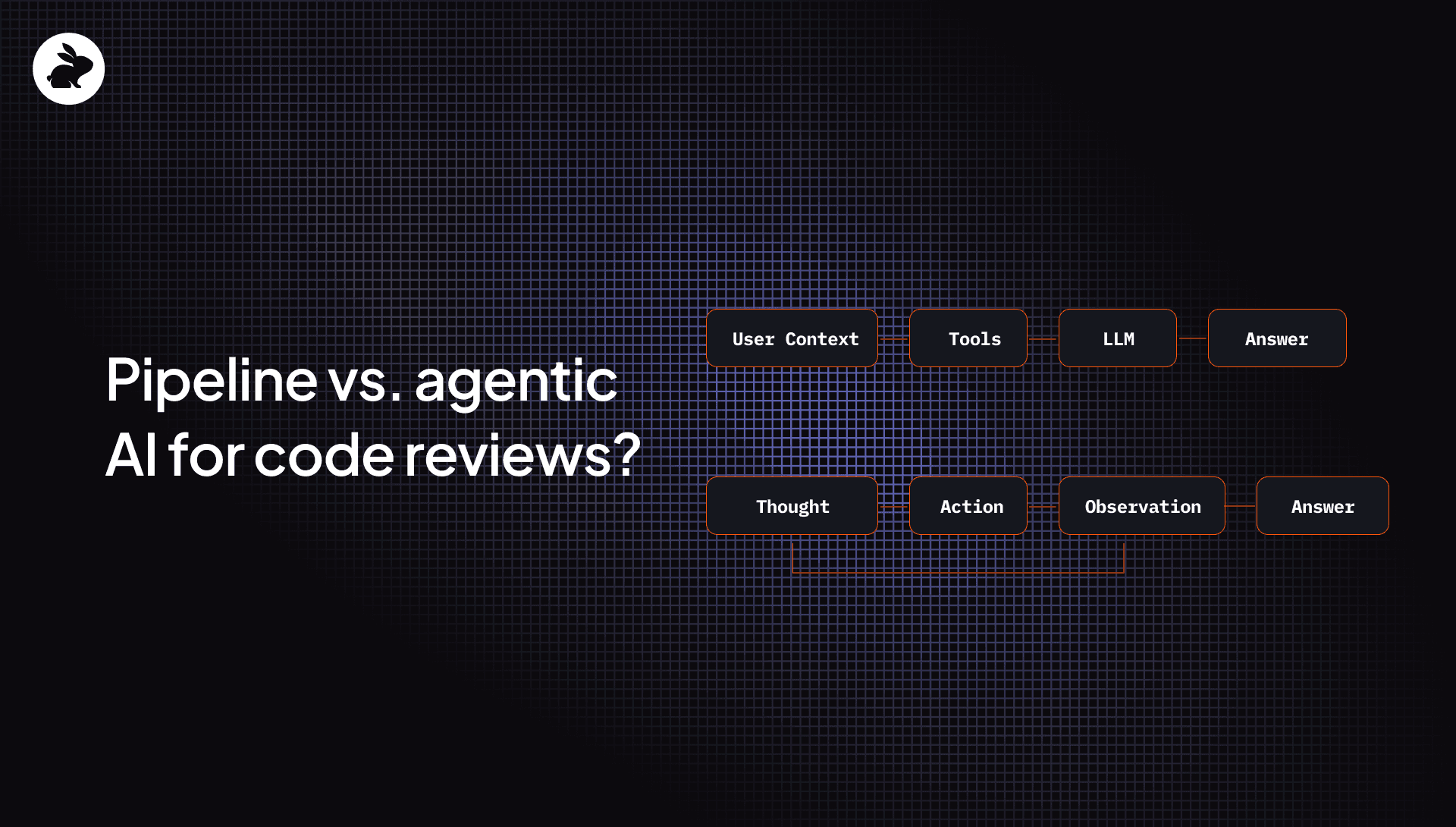
Pipeline AI vs agentic AI for code reviews: let the model reason — within reason
Agentic AI vs pipeline AI for code reviews. Explore tradeoffs in latency, trust, and context handling, and see why hybrid AI systems deliver more reliable results.