CodeRabbit logoCodeRabbit logo
Issue plannerEnterpriseCustomersPricingBlog
Resources
  • Docs
  • Trust Center
  • Contact Us
  • FAQ
  • Whitepapers
Log InGet a free trial
CodeRabbit logoCodeRabbit logo

Products

Pull Request ReviewsIssue plannerIDE ReviewsCLI Reviews

Navigation

About UsFeaturesFAQSystem StatusCareersDPAStartup ProgramVulnerability Disclosure

Resources

BlogDocsChangelogCase StudiesTrust CenterBrand GuidelinesWhitepapers

Contact

SupportSalesPricingPartnerships

By signing up you agree to our Terms of Use and Privacy Policy

discord iconx iconlinkedin iconrss icon
footer-logo shape
Terms of Service Privacy Policy

CodeRabbit Inc © 2026

CodeRabbit logoCodeRabbit logo

Products

Pull Request ReviewsIssue plannerIDE ReviewsCLI Reviews

Navigation

About UsFeaturesFAQSystem StatusCareersDPAStartup ProgramVulnerability Disclosure

Resources

BlogDocsChangelogCase StudiesTrust CenterBrand GuidelinesWhitepapers

Contact

SupportSalesPricingPartnerships

By signing up you agree to our Terms of Use and Privacy Policy

discord iconx iconlinkedin iconrss icon

Our 10 best posts of the year: A 2025 CodeRabbit blog roundup

by
Manpreet Kaur

Manpreet Kaur

December 18, 2025

5 min read

December 18, 2025

5 min read

  • 1. The end of one-size-fits-all prompts: Why LLM models are no longer interchangeable
  • 2. The rise of 'Slow AI': Why devs should stop speedrunning stupid
  • 3. AI code metrics: What percentage of your code should be AI-generated?
  • 4. Handling ballooning context in the MCP era: Context engineering on steroids
  • 5. 2025: The year of the AI dev tool tech stack
  • 6. Why emojis suck for reinforcement learning
  • 7. Vibe coding: Because who doesn't love surprise technical debt!?
  • 8. Good code review advice doesn't come from threads with 🚀 in them
  • 9. CodeRabbit's Tone Customizations: Why it will be your favorite feature
  • 10. CodeRabbit commits $1 million to open source
  • The bottom line: Our blog rocks, you should read it weekly in 2026
Back to blog
Cover image

Share

https://victorious-bubble-f69a016683.media.strapiapp.com/Reddit_feecae8a6d.pnghttps://victorious-bubble-f69a016683.media.strapiapp.com/X_721afca608.pnghttps://victorious-bubble-f69a016683.media.strapiapp.com/Linked_In_a3d8c65f20.png

Cut code review time & bugs by 50%

Most installed AI app on GitHub and GitLab

Free 14-day trial

Get Started

Catch the latest, right in your inbox.

Add us your feed.RSS feed icon
newsletter decoration

Catch the latest, right in your inbox.

Add us your feed.RSS feed icon

Keep reading

Article Card ImageArticle Card ImageArticle Card ImageArticle Card Image

Fix all issues with AI Agents – a quality of life improvement

Code review is where you catch the things you missed. Fixing them shouldn’t feel like Groundhog Day. CodeRabbit already flags issues in your pull requests and gives you ready-to-use prompts for your AI coding agents. You click Prompts for AI, copy th...

Article Card ImageArticle Card ImageArticle Card ImageArticle Card Image

Developers are dead? Long live developers.

Predictions about the end of programming are nothing new. Every few years, someone confidently announces that this time developers are truly finished. If you listened to these self-proclaimed Nostradamuses, devs were previously set to be replaced by ...

Article Card ImageArticle Card ImageArticle Card ImageArticle Card Image

Misalignment: The hidden cost of AI coding agents isn't from AI at all

TL;DR: The real cost of AI agents isn’t tokens or tools; it’s misalignment that shows up as rework, slop, and slowed teams. The conversation everyone is having (and why it misses the point) Most conversations about AI coding agents sound like a fant...

Get
Started in
2 clicks.

No credit card needed

Your browser does not support the video.
Install in VS Code
Your browser does not support the video.

This year, we dove deep into all kinds of topics, from the philosophical shift toward “Slow AI” to the practical realities of building with increasingly sophisticated LLM models to why you shouldn’t trust threads with 🚀on vibe coding for code you intend to ship to prod.

Here’s a look back at our most impactful posts from the past year in case you missed them:

1. The end of one-size-fits-all prompts: Why LLM models are no longer interchangeable

For years, developers could swap LLM models like interchangeable parts but now those days are over. This piece explores how modern AI models have separated in fundamental ways, from reasoning approaches to output formats, making LLM choice a critical product decision rather than a simple configuration change. We break down what this means for developers and why the “one prompt fits all” era is now over.

2. The rise of 'Slow AI': Why devs should stop speedrunning stupid

Fast isn’t always the way to go. While AI coding tools promise lightning-speed development, this article makes the case for slowing down. We explore why AI tools that take time to reason through problems produce better, more maintainable code than those optimized purely for speed. Drawing on data from a number of studies, we examine the paradox of developer confidence versus actual trust in AI-generated code and why “Slow AI” might be an antidote to technical debt.

3. AI code metrics: What percentage of your code should be AI-generated?

The title is clickbait (we admit it), but the question remains: how do you measure the impact of AI on your codebase? This post challenges the notion that “percentage of AI-generated code” is a meaningful metric. Instead, we explore what engineering teams should actually measure when evaluating AI’s role in their development process, and why focusing on the wrong metrics can lead to dangerous blind spots in code quality.

4. Handling ballooning context in the MCP era: Context engineering on steroids

The Model Context Protocol (MCP) promised easy integration between LLMs and external tools. But in reality, it created a context overload problem. This article tackles the issue of ballooning context windows and how to engineer your way out of them. We explore why MCP’s elegance can become a liability without deliberate context engineering and share strategies for keeping your AI tools sharp and focused rather than drawing in a black hole of data.

5. 2025: The year of the AI dev tool tech stack

When Microsoft and Google both announced that AI generates 30% of their code, it became clear: we’re not talking about single tools anymore, we're talking about stacks. This post explores the emerging ecosystem of layered AI dev tools across the software development lifecycle. From foundational coding assistants to essential code review layers, we map out what a modern AI dev tool stack looks like and share sample configurations teams are using.

6. Why emojis suck for reinforcement learning

👍feels good, but is it teaching your AI reviewer anything? This article explores why emoji-based feedback, while universal, falls short at improving AI performance over time. We break down the simplicity trap and explain which nuanced feedback works to build better AI code reviews. Spoiler: it’s not as simple as a thumbs up or thumbs down.

7. Vibe coding: Because who doesn't love surprise technical debt!?

“Vibe coding,” the practice of prompting AI tools with vibes and hoping for the best is everywhere. And it’s creating technical debt at an unprecedented scale. What happens when developers rely heavily on AI assistants like Claude Code, ChatGPT, and GitHub Copilot without proper processes in place? We dive into the hidden costs of moving fast and breaking things when your entire codebase depends on it.

8. Good code review advice doesn't come from threads with 🚀 in them

Twitter threads promising “10 vibe coding and review tips every dev should know” are everywhere. But here’s the truth: practical code review advice requires full context, nuance, and experience. This blog questions the idea that code review wisdom is distilled into a tweet, from fresh eyes to AI-assisted review layers that understand your specific context.

9. CodeRabbit's Tone Customizations: Why it will be your favorite feature

Ever wish your code reviewer could channel Gordon Ramsay? Or maybe your disappointed mom? We talk about CodeRabbit’s tone customization feature, which lets you adjust how your AI code reviewer communicates, from encouraging and gentle to bgenerated code), share setup instructions, and celebrate the creative ways developers are cusrutally honest. We dive into why tone matters in code review (especially when dealing with AI-tomizing their review experience.

10. CodeRabbit commits $1 million to open source

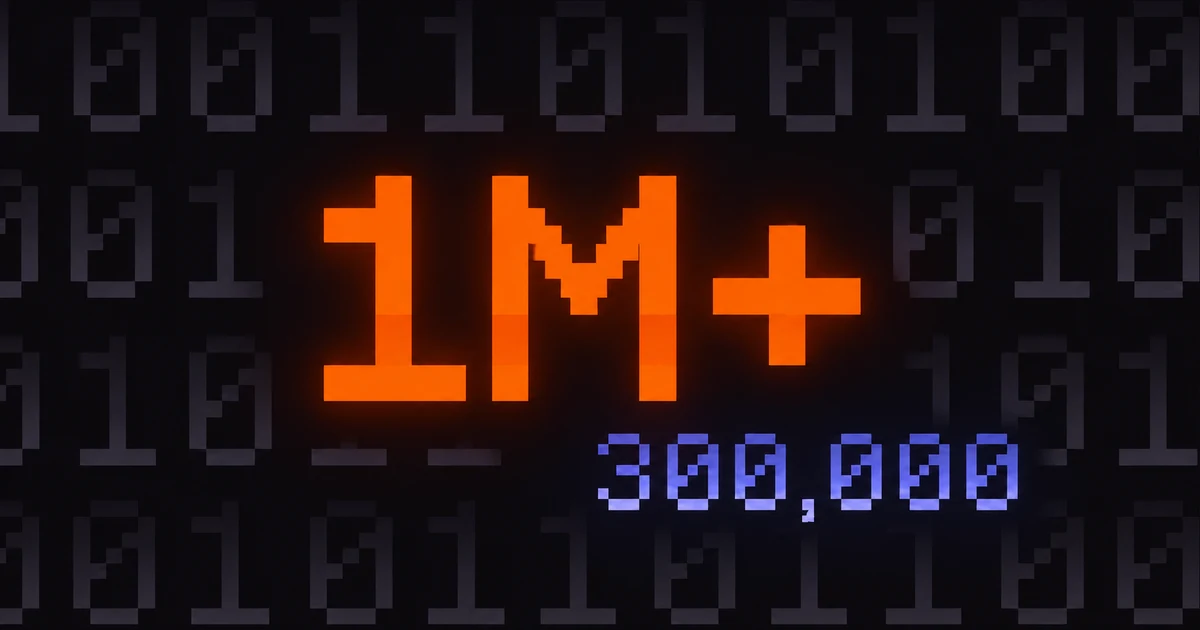
Open source is the foundation of modern software development, from package managers to frameworks to the infrastructure we all depend on. This post announced CodeRabbit’s $1 million USD commitment to open-source software sponsorships, reflecting our gratitude for what open source enables and our ongoing support for the developers and projects that power the ecosystem we all build on.

The bottom line: Our blog rocks, you should read it weekly in 2026

Each of these blogs represents a piece of the larger conversation about how AI is reshaping software development. We hope these insights will help you ship better code, refine your AI development setup, tackle context engineering challenges, or simply avoid technical debt from "vibe-coding."

Try out CodeRabbit today with a 14-day free trial.