All articles

CodeRabbit joins the SpaceX Super Intelligence Partner Network
CodeRabbit is now available in the Grok Build Plugin Marketplace, connecting agentic development with independent code review and governance.

Which software engineering skills matter in the age of AI?
As AI takes on more implementation, what should engineers learn next? WeMakeDevs founder Kunal Kushwaha weighs in on the fundamentals, automated code review, and running LLMs locally.

CodeRabbit brings independent validation to Cursor Origin
CodeRabbit is joining Cursor Origin’s app marketplace as a launch partner, bringing independent validation to pull requests hosted natively on Origin so teams can ship agent-written code with confidence.
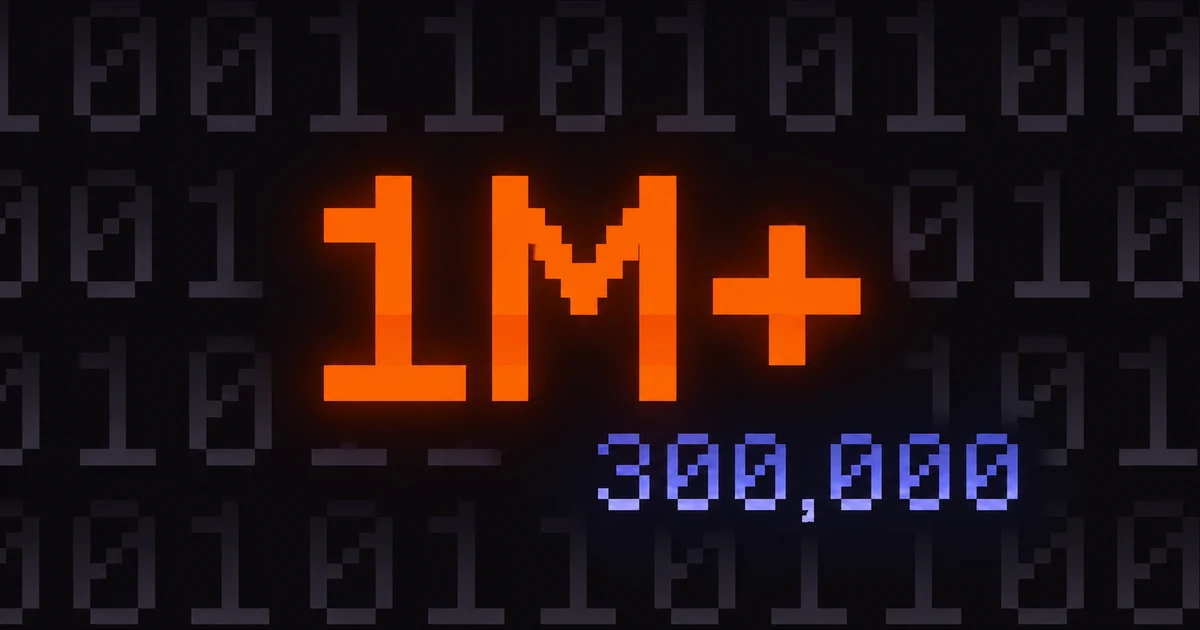
Open-source reviews on CodeRabbit topped 1 million in a single month
See which open-source projects ran the most CodeRabbit reviews in September and how we’re backing maintainers through a commitment of more than $10 million to open source.

The feature works. But does it belong?
TRM Labs’ Rahul Raina and CodeRabbit’s Harjot Gill on choosing, validating, and shipping work as agents take on more development.
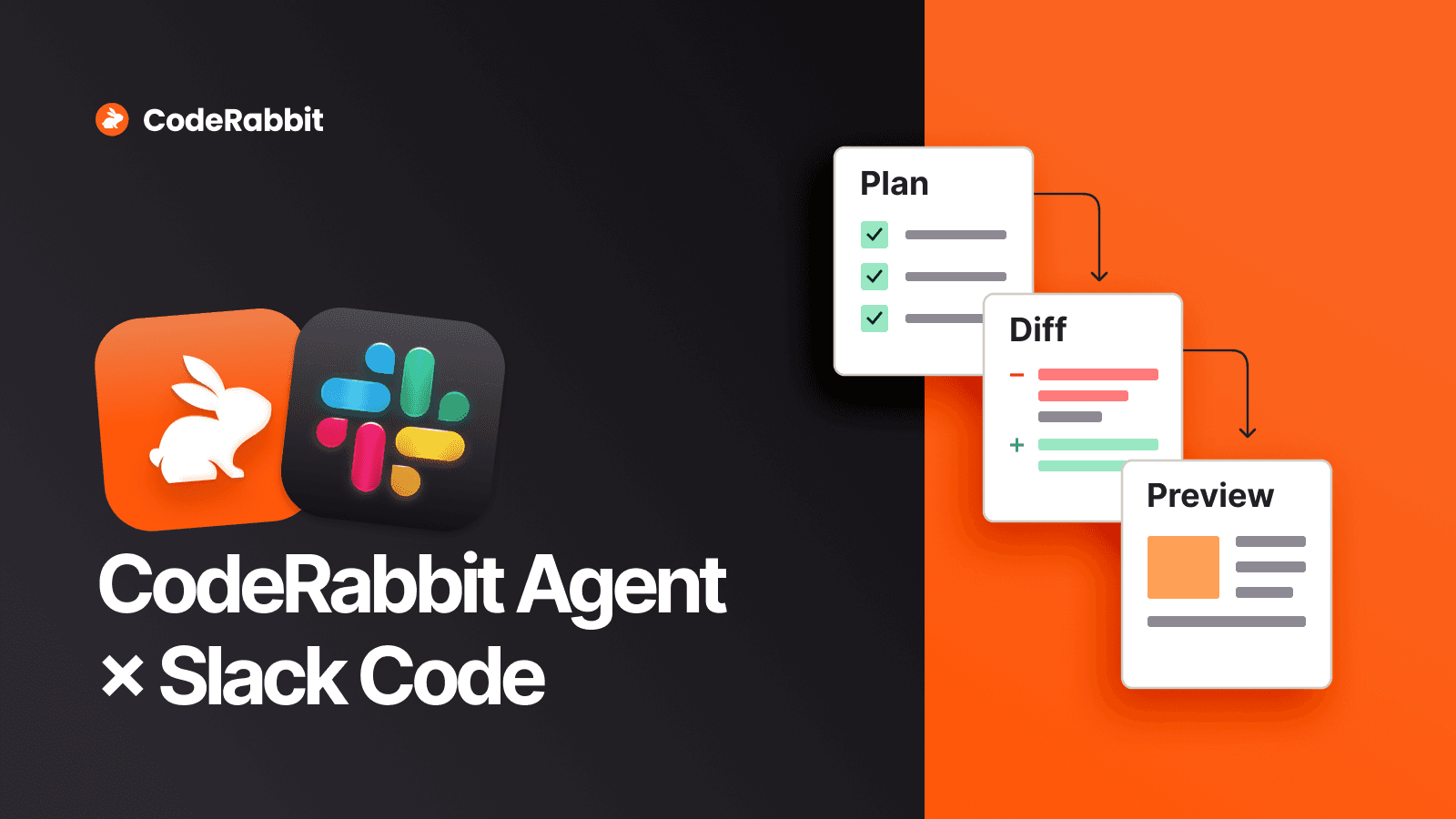
Introducing collaborative coding: Build together with Slack Code and CodeRabbit Agent for Slack
Bring the people who know each part of a coding task into one shared Slack Code channel, where they can shape the spec and build with CodeRabbit Agent for Slack.

How CodeRabbit Security performed on a real-world vulnerability benchmark
CodeRabbit Security led three other systems in our vulnerability-detection benchmark. Here’s what we tested and how we scored it.
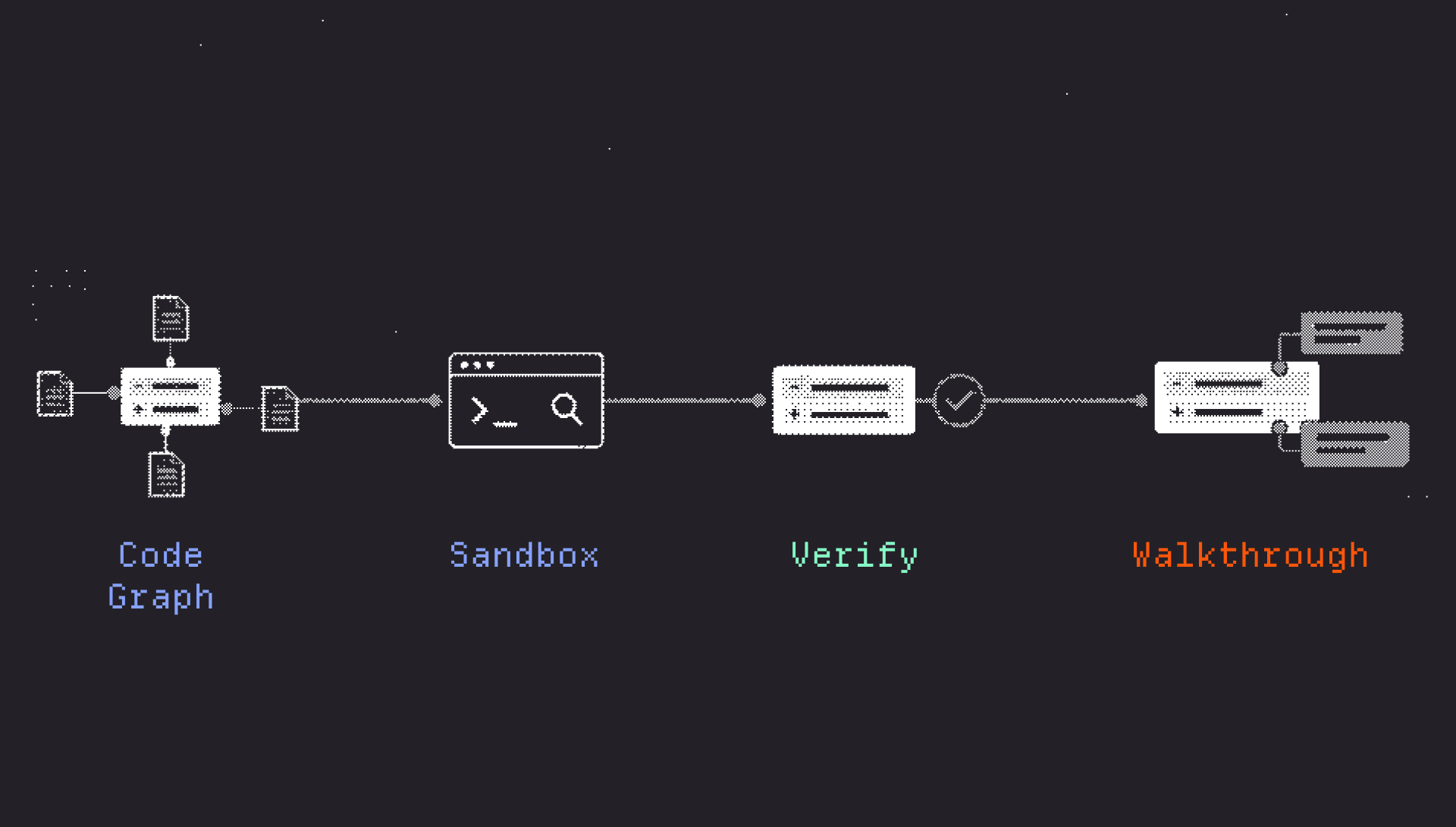
How independent AI code review builds trust in agent-generated changes
Independent AI code review gives teams evidence to trust proposed changes, supported by CodeRabbit’s governance and control layer for agentic software development.
The Merge: What if your ‘if-statements’ could think?
TypeSafe's Allie Laabs explains how to find Jev-shaped problems in your code, why you should ask every question up front, and why coding agents still need help getting it right.
Catch the latest, right in your inbox.

GetStarted in2 clicks.