

CodeRabbit author
David Loker
16 articles · writing here since May 2025
Latest article

You’re addicted to AI code generation. Now what?
Developers distrust AI coding tools just enough to double-check the output, yet rely on them too much to turn them off. Here's what that dependency is actually costing engineering teams, and how to build review systems that keep up with it.
More articles by David Loker
Nobody is going to read the code
AI writes more code than humans can review. Logic errors are up 75%. Security issues nearly triple. Here's what replaces human review.
05.12.26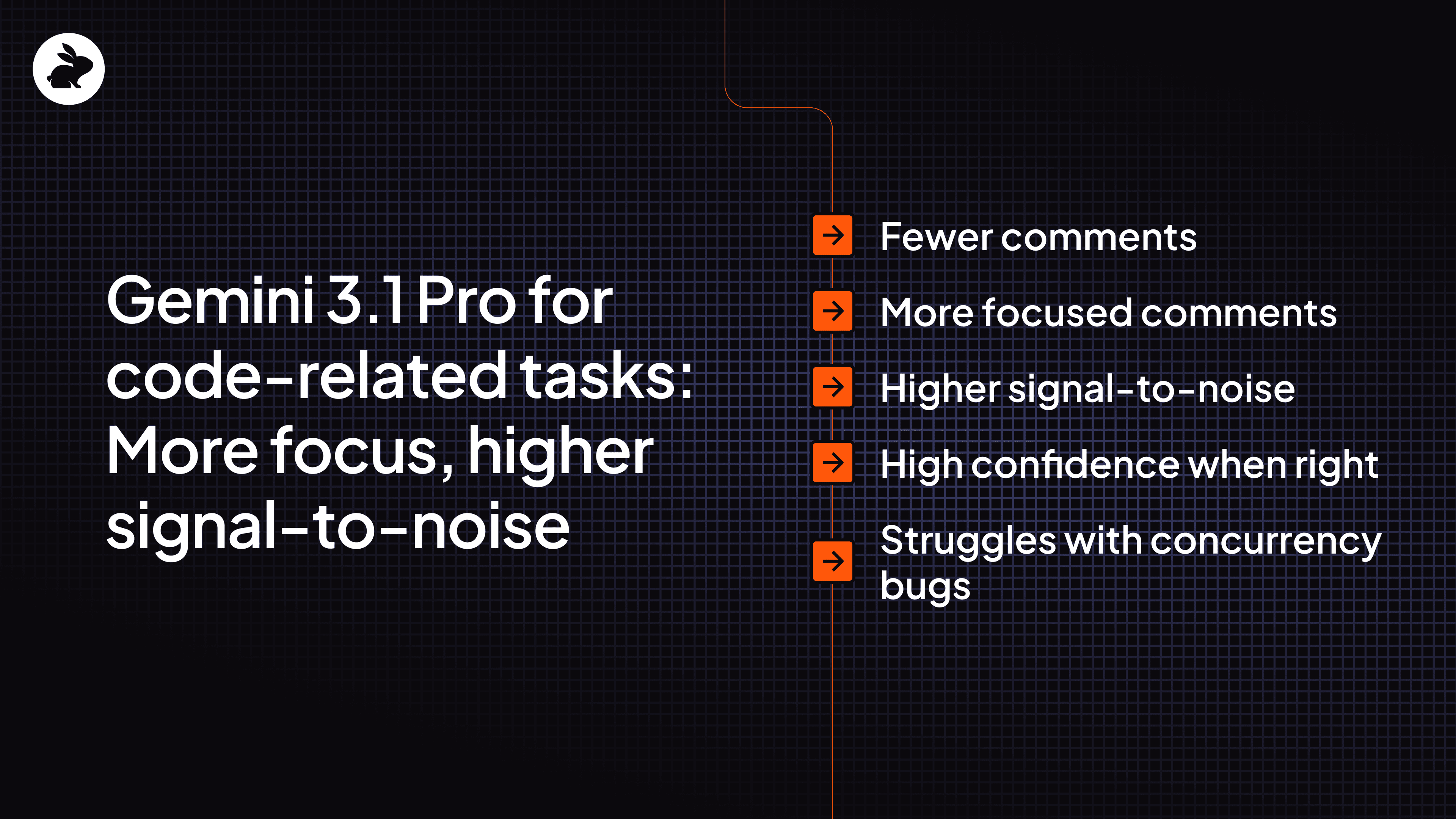
Gemini 3.1 Pro for code-related tasks: more focus, higher signal-to-noise
In practice, developers experience AI code review through the comments it leaves on pull requests: how often it finds real issues, how much noise it produces, and how actionable its feedback is. To an
03.12.26
Developers are dead? Long live developers.
Predictions about the end of programming are nothing new. Every few years, someone confidently announces that this time developers are truly finished. If you listened to these self-proclaimed Nostradamuses, devs were previously set to be replaced by ...
02.12.26
An (actually useful) framework for evaluating AI code review tools
Benchmarks promise clarity. They’re supposed to reduce a complex system to a score, compare competitors side by side, and let the numbers speak for themselves. But, in practice, they rarely do. Benchmarks don’t measure “quality” in the abstract. They...
01.09.26
Why users shouldn’t choose their own LLM models: choice is not always good
Giving users a dropdown of LLMs to choose from often seems like the right product choice. After all, users might have a favorite model or they might want to try the latest release the moment it drops. One problem: unless they’re an ML engineer runnin...
01.09.26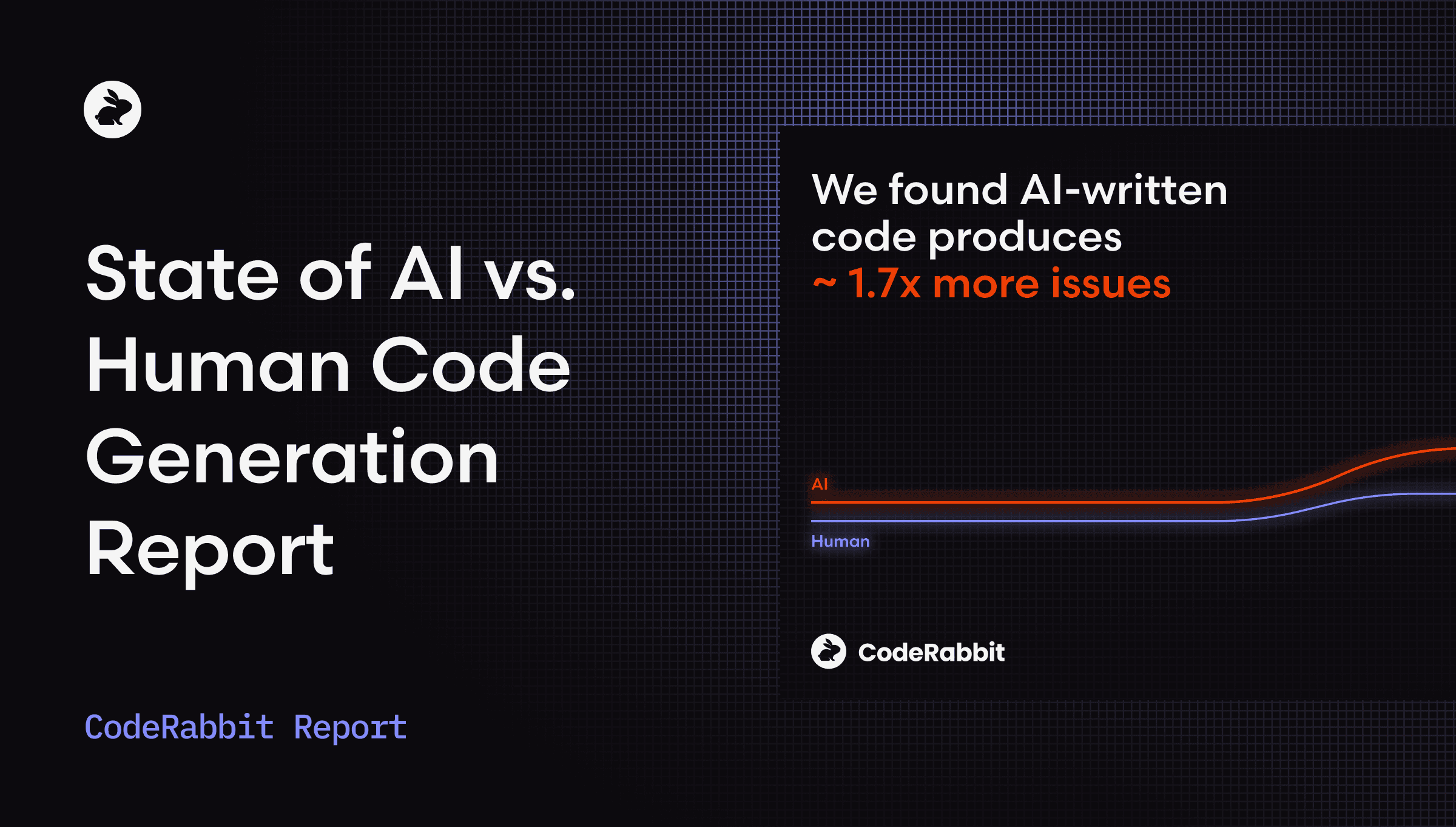
Our new report: AI code creates 1.7x more problems
What we learned from analyzing hundreds of open-source pull requests. Over the past year, AI coding assistants have gone from emerging tools to everyday fixtures in the development workflow. At many organizations, a part of every code change is now m....
12.17.25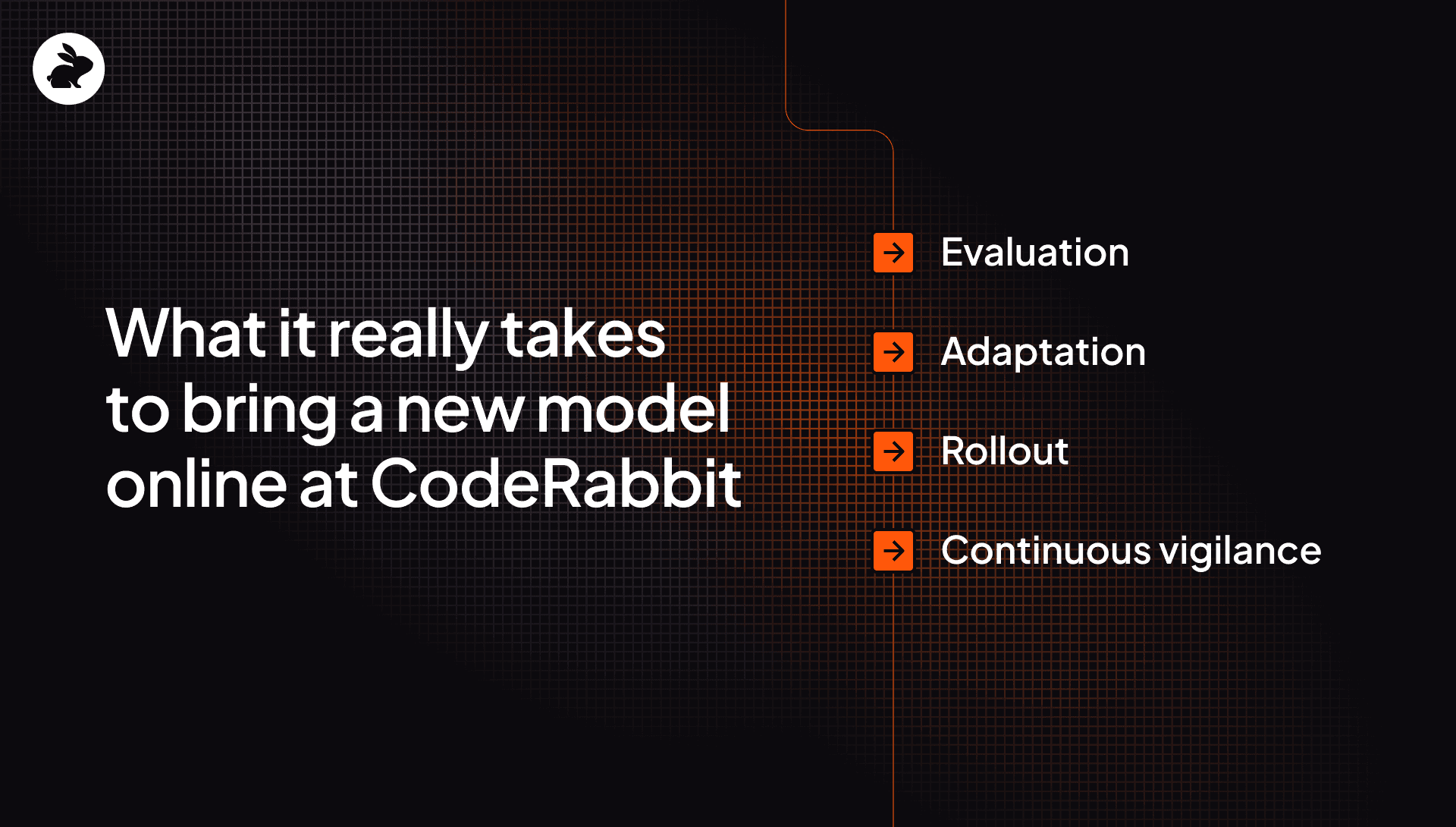
Behind the curtain: What it really takes to bring a new model online at CodeRabbit
When we published our earlier article on why users shouldn't choose their own models, we argued that model selection isn't a matter of preference, it's a systems problem. This post explains exactly why. Bringing a new model online at CodeRabbit isn't....
12.05.25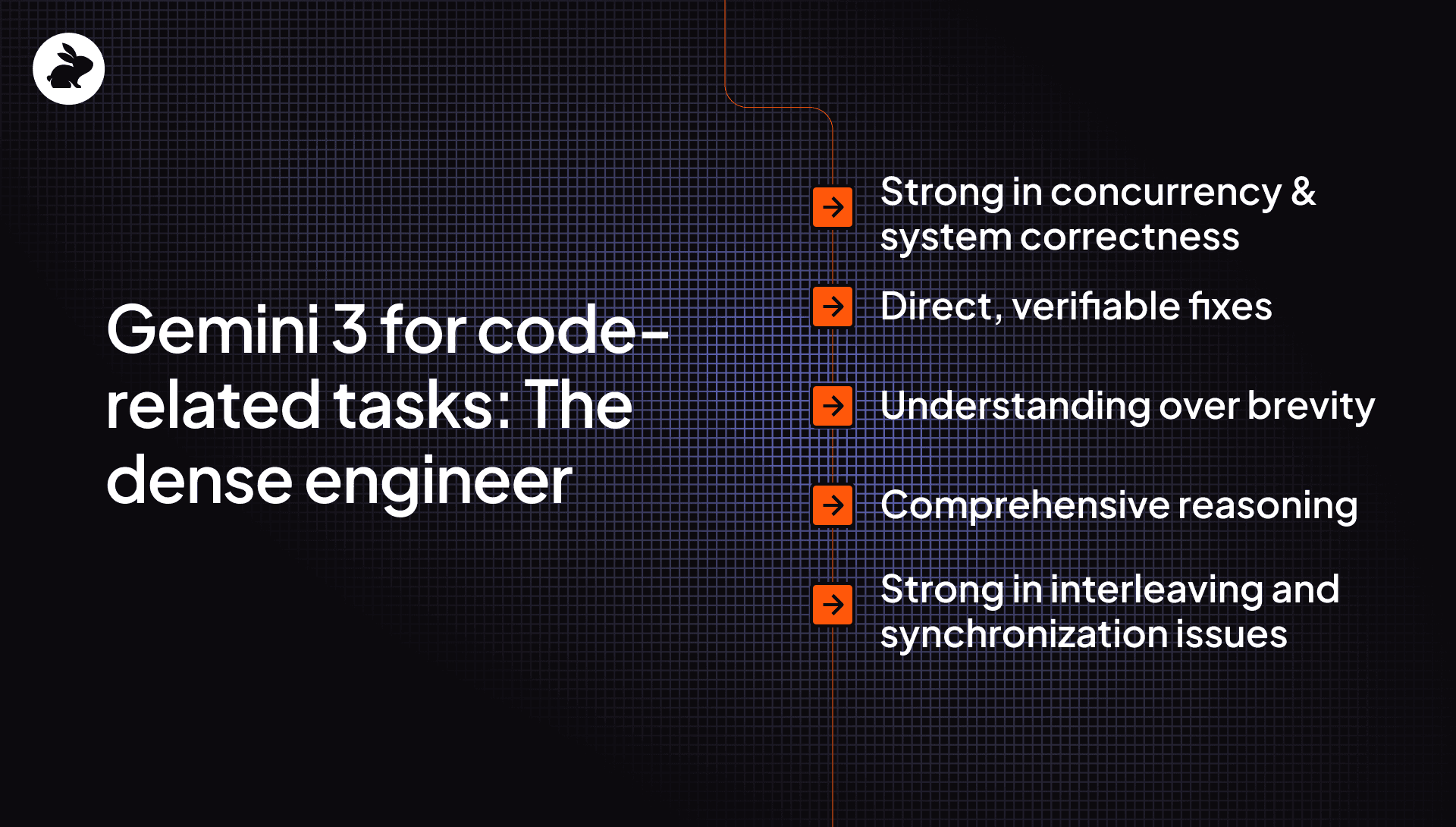
Gemini 3 for code-related tasks: The dense engineer
TL;DR: It doesn’t just write patches; it writes a complete argument for every change. When Gemini 3 is right, it’s spectacularly right. When it’s wrong, it still sounds right. Every model writes in our house style. Gemini 3 rewrites the rules. All o...
11.26.25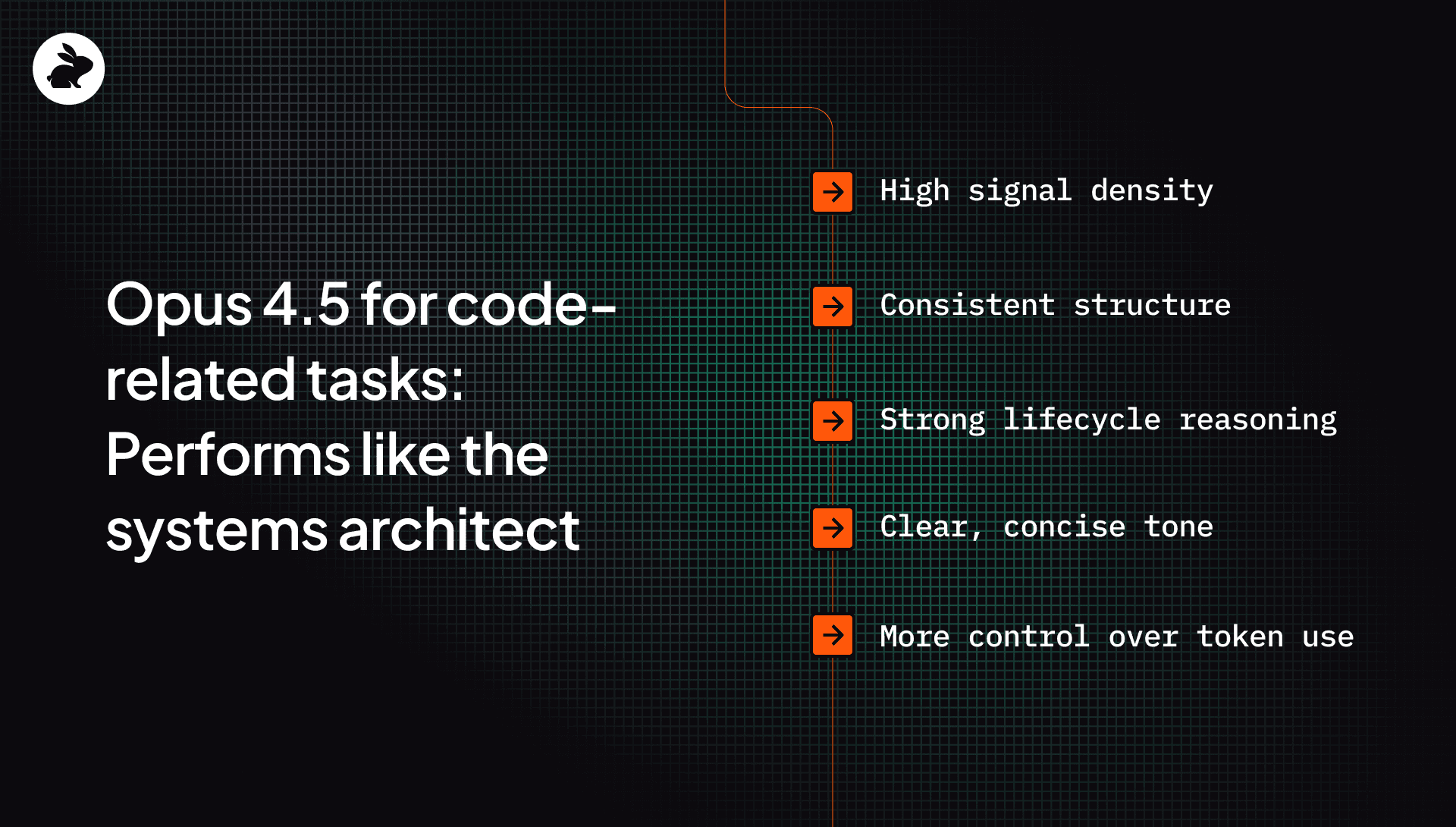
Opus 4.5 for code-related tasks: performs like the systems architect
Every model reasons. Opus 4.5 audits. Every new model arrives with the same promise: smarter reasoning, cleaner code, and better answers. But Opus 4.5 from Anthropic doesn’t just reason; it audits. It reads code as if returning to a system it helped ....
11.24.25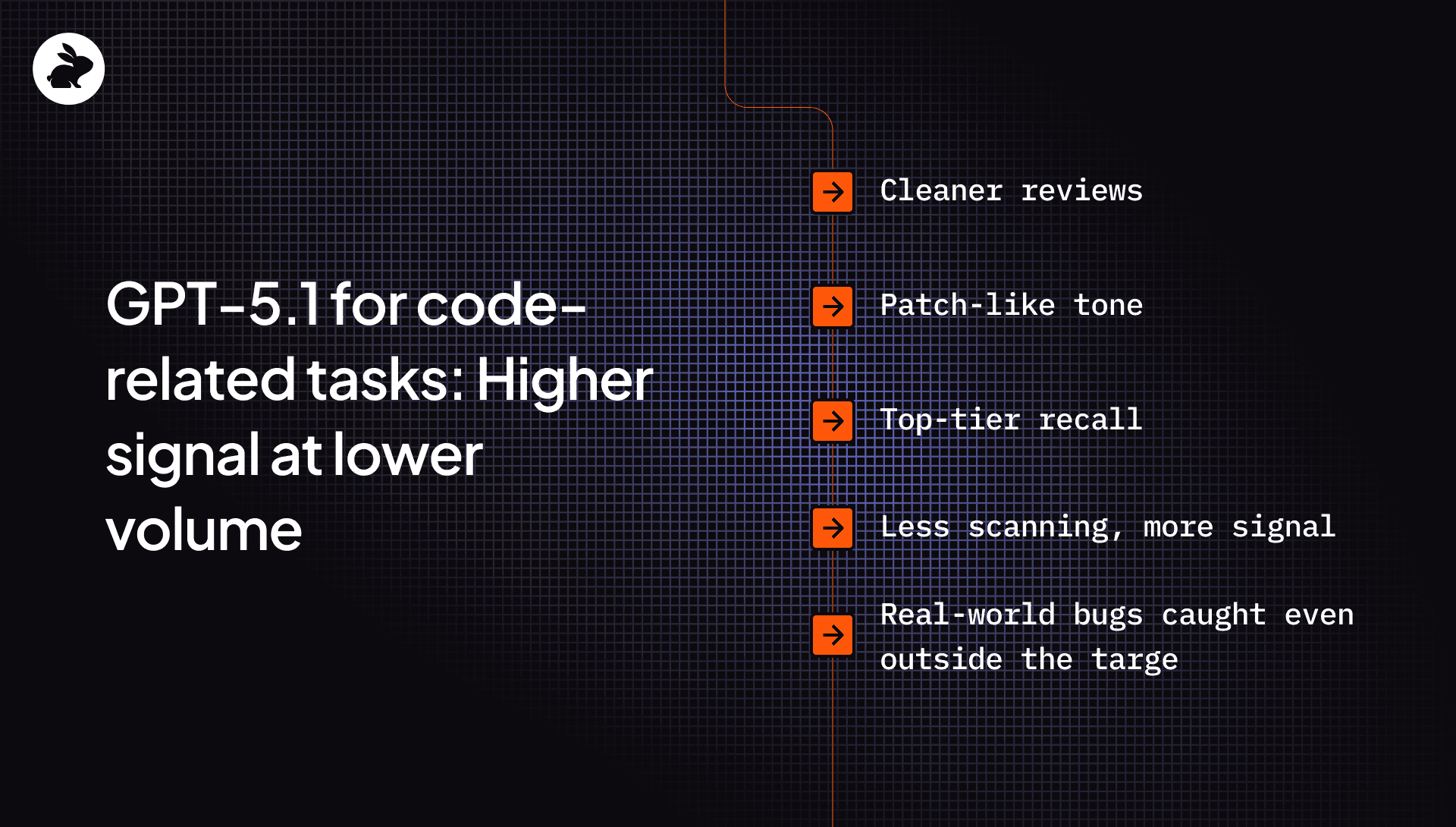
GPT-5.1 for code-related tasks: higher signal at lower volume
TL;DRAfter prompt tuning and integrating it into our stack, GPT-5.1 now delivers the best precision and signal-to-noise ratio (SNR) we’ve seen in reviews, with fewer comments. It tied for the best-in-class error pattern (EP) recall on our hard benchm....
11.13.25
Why emojis suck for reinforcement learning
The simplicity trap Sure, a thumbs up is quick, but is it really teaching your AI reviewer anything useful? Emoji-based feedback feels good, is fast, and universal. On the surface, it even seems to make sense. But code review isn’t a light switch. It....
11.07.25
Claude Sonnet 4.5: better performance but a paradox
Sonnet 4.5 is Anthropic’s newest Claude model and in our code review benchmark, it feels like a paradox: more capable, more cautious, and at times more frustrating. It catches bugs Sonnet 4 missed, edges closer to Opus 4.1 in coverage, and even surfa...
10.03.25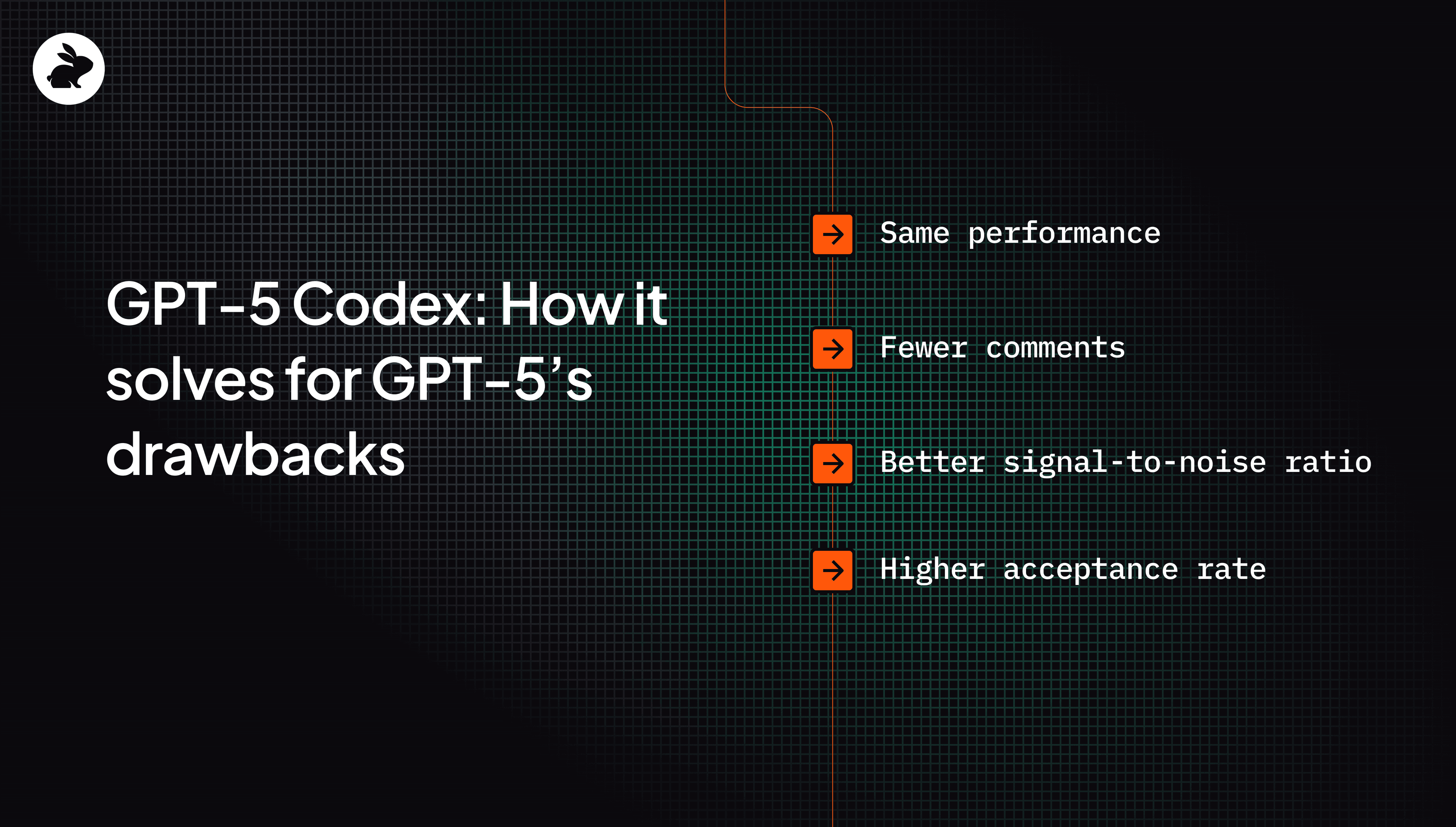
GPT-5 Codex: How it solves for GPT-5's drawbacks
CodeRabbit’s code reviews help developers fix bugs and ship code. We recently wrote about benchmarking GPT-5 and opined that the model was a generational leap in reasoning for our use case of AI code reviews. As we rolled out to our wider user base, ...
09.30.25
Benchmarking GPT-5: Why it’s a generational leap in reasoning
The wait is over! As the leading AI code review tool, CodeRabbit was given early access to OpenAI’s GPT-5 model to evaluate the LLM’s ability to understand, reason through, and find errors in complex codebases. As part of our GPT-5 testing, we've con...
08.07.25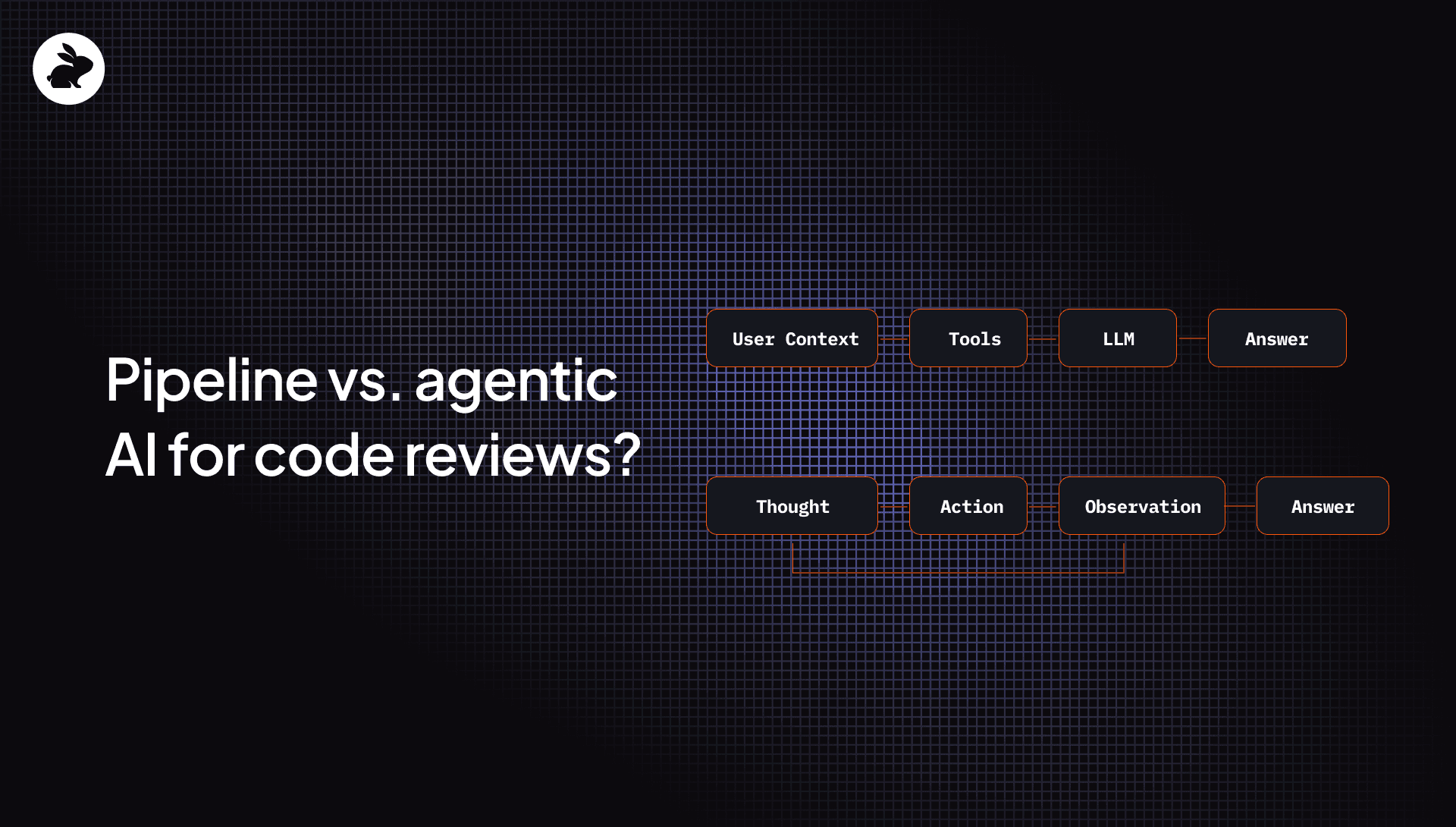
Pipeline AI vs agentic AI for code reviews: let the model reason — within reason
Agentic AI vs pipeline AI for code reviews. Explore tradeoffs in latency, trust, and context handling, and see why hybrid AI systems deliver more reliable results.
05.29.25