As AI coding agents take on more of the software development lifecycle, code review becomes less about inspecting every line and more about validating outcomes. The central question is simple: how do teams independently verify code that was planned, generated, and revised by AI?
A quality gate can help ensure AI-generated code behaves as intended and meets production standards. To be credible, it needs four properties the generation loop cannot provide on its own: independence, agnosticism, discernment, and explainability.
This guide explains those properties and shows how to build a layered quality gate for agentic development.
For the broader lifecycle this gate protects, see What does an agentic SDLC actually look like end-to-end?.
For the empirical case behind the need for stronger gates, see Our new report: AI code creates 1.7x more problems.
Why the generation loop cannot grade itself
In an agentic SDLC, a pull request may pass through planning, coding, and self-correction before a human sees it. That is useful, but it creates a governance problem when the same family of tools generates and validates the work.
If the reviewer shares the same assumptions, context window, prompt lineage, or product incentives as the generator, it may miss the same failure modes. This does not mean built-in agent review is useless. It means it should not be the only gate before merge.
A credible gate must be able to disagree with the generator.
The four properties of a credible quality gate
Independence
The review system should be separate from the code generation system. It should have its own context engine, review criteria, and enforcement path. It should not depend on the IDE, CLI agent, or coding tool that wrote the code.
Independence gives the gate a different perspective. That is what makes it useful.
Agnosticism
Teams rarely standardize on one coding agent forever. A quality gate should apply the same standard to pull requests created by Codex, Claude Code, Cursor, other agents, and human developers.
The source of the code should not determine the quality bar.
For more on this problem, see How to keep AI code review consistent across coding agents.
Discernment
Generic AI review can create noise. If a tool flags every harmless refactor, style preference, or theoretical risk, developers learn to ignore it.
Discernment means the gate focuses on findings that matter: logic errors, security problems, issue drift, missing tests, risky migrations, and violations of standards the team actually cares about.
Explainability
A quality gate should not only say that something is wrong. It should explain why the finding matters, what code paths it affects, and what the reviewer can do next.
Explainability turns "the tool says there is a problem" into "here is the risk, here is the reasoning, and here is the affected context." In agentic development, that becomes the observability layer for pull requests.
For a deeper treatment, see Why explainability is the new observability layer for pull requests.
What context-aware review needs to understand
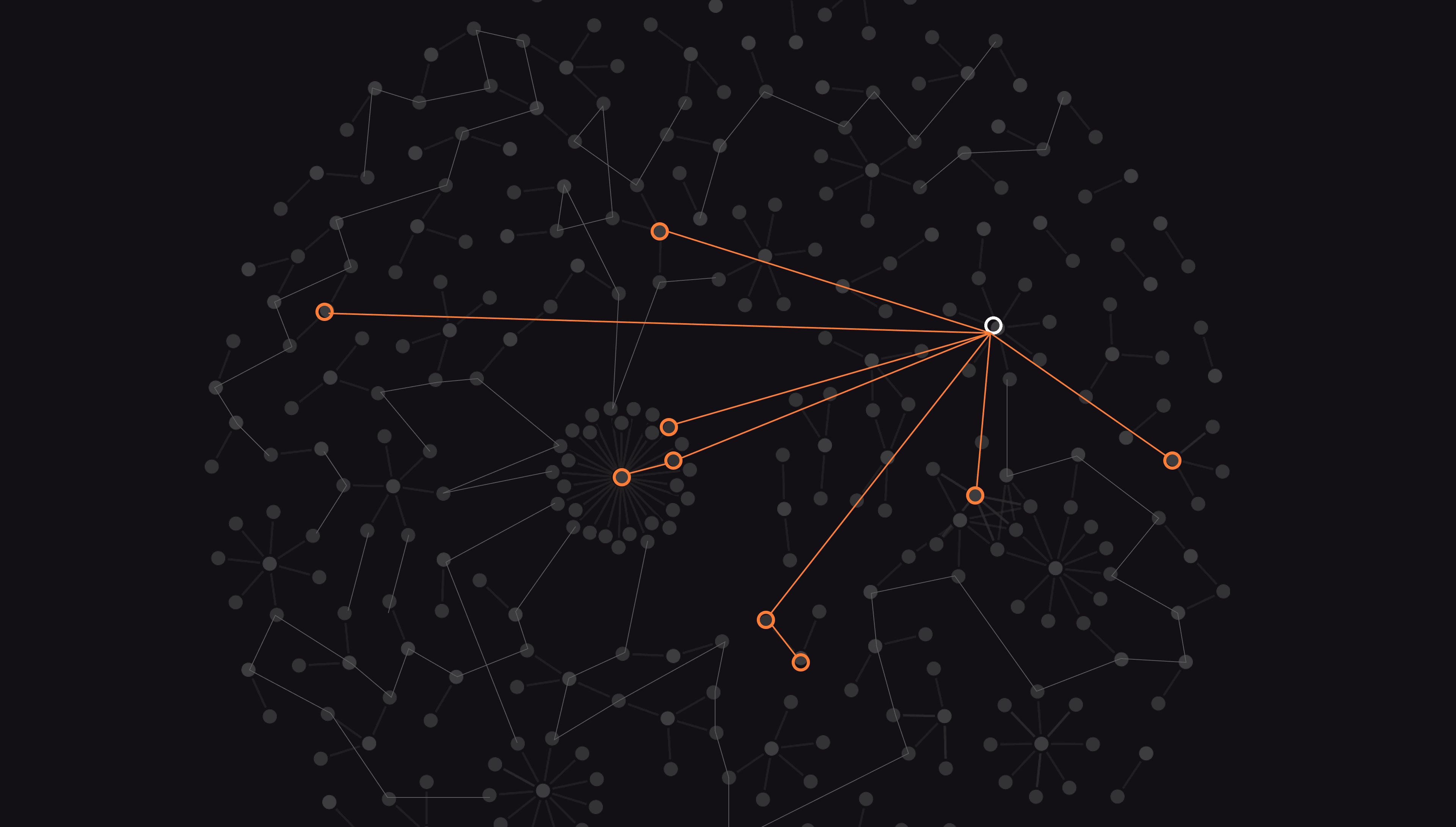
A diff-only review sees changed lines. A quality gate needs more:
- the surrounding code paths
- dependencies and call sites
- linked issues and requirements
- repository rules and agent instruction files
- previous team decisions
- test and CI signals
- security-sensitive paths
Without that context, a review system may produce comments that are grammatically correct but operationally weak. The gate has to understand where the change sits in the system.
For the context model behind that review, see Code context: The evidence behind trustworthy AI code review.
For the company-level view of why these gates matter now, see Raising our $60M Series B: building the quality gates for AI-powered coding.
A three-layer implementation
A practical quality gate has three layers: pre-commit feedback, pull request review, and pre-merge enforcement.
Layer 1: Pre-commit review
Pre-commit review catches issues while fixes are cheap. Developers or coding agents can run local review before opening a pull request.
With CodeRabbit CLI, agent workflows can use structured output:
cr --agent
For a specific base branch:
cr --agent --base develop
This lets the coding agent consume findings, fix meaningful issues, and rerun review before the pull request opens.
Layer 2: Pull request review
Pull request review has fuller context. The review system can inspect the final diff, linked issues, changed files, repository standards, and CI signals.
This is where a review agent should explain risk, group related changes, identify issue drift, and surface findings with enough context for a human reviewer to decide.
For large agent-generated pull requests, Change Stack organizes changes into reviewable groups and reading order so reviewers do not have to reconstruct the change manually. Check the current documentation for availability and plan details before rolling it out broadly.
Layer 3: Pre-merge enforcement
Review comments help, but a quality gate needs enforceable policy. Pre-Merge Checks can validate requirements before merge.
CodeRabbit includes built-in checks for docstring coverage, pull request title, pull request description, and issue assessment. Custom checks can encode team-specific policies, such as breaking-change documentation or migration safety. Check the current plan limits before standardizing on many custom checks across an organization.
For a product walkthrough, see Pre-Merge Checks: Built-in and custom PR rules automatically enforced.
For a policy framework that feeds those checks, see Policy-as-code: the missing layer in AI-assisted development.
A starter configuration might look like this:
reviews:
  request_changes_workflow: true
  pre_merge_checks:
    docstrings:
      mode: "warning"
      threshold: 80
    title:
      mode: "warning"
      requirements: "Start with a conventional commit type."
    description:
      mode: "warning"
    issue_assessment:
      mode: "warning"
    custom_checks:
      - name: "Breaking change documentation"
        mode: "warning"
        instructions: >
          If this pull request changes a public API, environment variable,
          database schema, CLI flag, webhook payload, or configuration key,
          check that the breaking change is explained in the pull request
          description.
Start in warning mode. Move checks to error mode only after the team agrees that they are high signal.
How the human role changes
As agents generate more code, human oversight shifts from reading every line to verifying the system around the code. Senior engineers still own architecture, business logic, exceptions, and merge decisions.
The gate makes that job more realistic. It turns scattered findings into an audit trail: what was checked, why it mattered, and whether a named policy passed before merge.
For governance beyond the pull request, see Apply AI governance to coding agents in your org.
Roll out the gate gradually
For teams starting from zero:
- Add pre-merge checks in warning mode.
- Add pull request review with repository-level instructions.
- Add CLI review to coding-agent workflows.
- Promote high-signal checks from warning to error.
- Review false positives and update the policy through pull requests.
The goal is not more comments. The goal is a reliable standard that keeps pace with agent-generated code.
Close the loop agents leave open
Agentic development can make implementation faster, but speed does not create trust on its own. A quality gate supplies the independent perspective that the generation loop cannot self-supply.
The best gate is independent, source-agnostic, discerning, and explainable. It applies the same standard to every pull request and gives humans enough context to decide what should ship.