When your team starts using Claude Code or Cursor, you notice you’re shipping faster and reviewing more pull requests each week. But six months later, you might see more incidents and find the codebase harder to navigate, with engineers spending more time figuring out how changes affect the rest of the system.
Problems can come from generated code or from a review process designed for human-written changes that cannot keep up with it. AI coding agents can make decisions faster than engineers can check them, so the team ends up responsible for code it has only partly verified.
When new features rely on earlier choices, it becomes harder and more expensive to fix problems if you don’t understand the original decisions. To manage technical debt from AI-generated code, you need to keep track of what your team knows and has documented, not just the code’s quality.
Why AI-generated technical debt compounds
An agent can implement a ticket correctly without knowing how that implementation fits the application’s architecture. It might solve a problem the system already handles elsewhere and create design debt.
Suppose an agent adds a feature that lets users upload customer records from a CSV file. Rather than using the app’s existing customer-data checks, it creates a new set of checks just for uploads. The feature passes its tests and gets merged, but no one checks whether these extra rules are necessary.
Later, one engineer updates the upload feature to accept older customer records, while another changes the checks elsewhere in the app. Over time, the two sets of checks become different. Fixing this now means figuring out which changes were intentional and what depends on each version.
The reuse problem has some empirical support. In More Code, Less Reuse, researchers studied 617 pull requests from the crewAI repository. Agent-generated contributions scored 1.87 times as high as human contributions on their measure of semantic redundancy. In our analysis of 470 open-source PRs, AI-co-authored changes had about 1.7 times as many review findings per PR as human-only changes. These figures measure repeated behavior and review findings, respectively.
Once the duplicate is in the codebase, an agent working on a new feature might see it as a standard approach. Because changes are generated quickly, more updates can happen before your team addresses the original issue. If these updates depend on the duplicate, each one makes the problem harder to fix.
Forms of debt in AI-assisted development
Here are some of the debts that your team may experience when using AI coding agents:
1. GenAI-Induced Self-admitted Technical debt (GIST)
GIST describes a pattern researchers noticed in code comments: Developers used AI-assisted code but often expressed uncertainty about how it worked or whether it was correct. In their study, they found 81 comments that mentioned both AI involvement and tech debt out of 6,540 comments about LLMs in public Python and JavaScript repositories. The researchers looked for keywords like TODO, FIXME, and HACK, then reviewed the results by hand. These comments included things like delayed testing and unfinished changes.
2. Cognitive debt
Margaret-Anne Storey’s Triple Debt Model describes cognitive debt as the erosion of a team’s shared understanding of a system over time. Addy Osmani’s comprehension debt focuses on the gap between the code an individual can produce with AI and what that person genuinely understands. That individual gap can contribute to the team-level problem Storey describes.
A codebase can meet code-quality standards while your team still struggles to change it safely. Engineers may understand individual functions without sharing a clear picture of how a request moves through the system or where a change will have consequences.
3. Intent debt
Storey’s model also describes intent debt as missing or lost records of the goals and reasons that shape how a system changes over time. This includes any rules that future updates need to keep.
Understanding what the code does is just one piece of the puzzle. Your team also needs to know the business reasons for that behavior. Otherwise, someone might complete a task but accidentally break an undocumented rule.
Why standard debt management can fall short
Existing debt-management practices can leave gaps when change volume outpaces review capacity, or the team hasn't identified what needs attention.
1. Code reviews
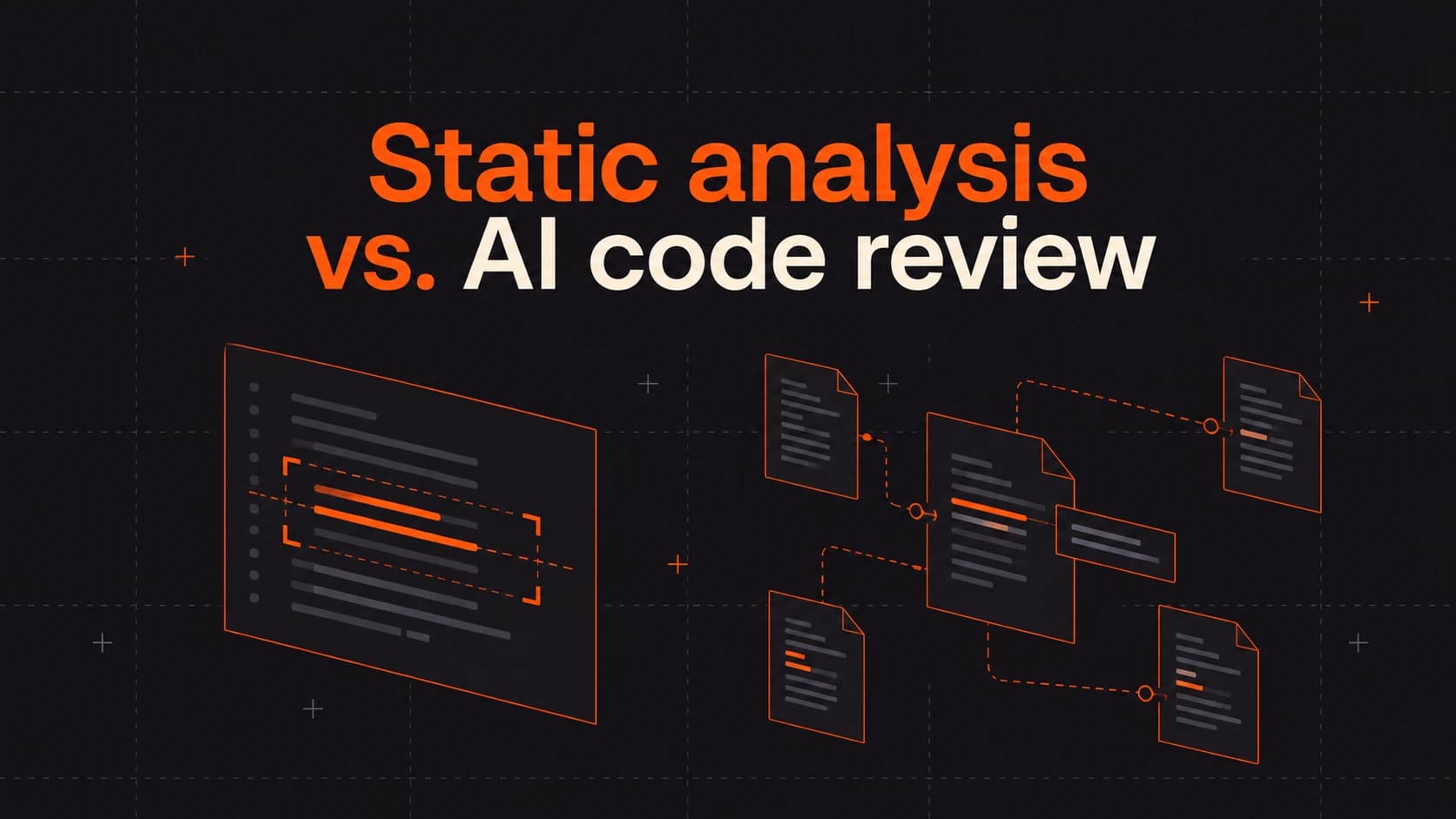
If AI agents create changes faster than people can review them, pull requests start to build up. More pull requests getting merged without review is another sign that the team is overloaded. See our code review best practices for AI-generated code for ways to manage review volume. With a big backlog, reviewers might approve changes before answering all important questions.
2. Retrospectives
Retrospectives need to examine the assumptions behind a failure. Fixing the immediate bug without questioning those assumptions can allow the same mistake to recur.
3. Refactoring sprints
Refactoring sprints address work your team has already identified and prioritized. If defect counts and static-analysis results drive priority, gaps in understanding or intent may get little attention until they cause problems. Meanwhile, new dependencies can build up around unexamined decisions.
How to govern AI-generated changes
As your team writes more code, you need ways to verify it quickly and spot issues that tests might miss. This includes reviewing changes separately, tracking unclear areas, and ensuring everyone can see the requirements during review. These steps help you resolve open questions before they affect more parts of the system.
1. Verify proposed changes independently
Check the generated code against the requirements and the repository's current state. Tests written with a feature are useful, but they might repeat the same mistakes as the code itself. Make sure an independent reviewer has the information they need to question these assumptions. Use their feedback to decide if the change is ready.
Automated checks can cover the behaviors your team can define, so reviewers can focus on decisions that need deeper system knowledge. The engineer making an important change should be able to explain their approach and show supporting evidence. If the team has too much work to review thoroughly, prioritize the queue and limit how much is in progress at once.
CodeRabbit Change Stack groups a pull request into ordered layers with explanations tied to the diff. Reviewers can use those layers to examine how the pieces connect and check whether the implementation matches the intended behavior.
2. Track gaps in understanding and intent separately
If there is cognitive debt, an engineer might need to investigate a part of the system they don't know well and then explain how it works to the team. If there is intent debt, it may help to check a requirement with its owner and write down the reason.
For every open question, decide who should answer it and which planned changes rely on that answer. Automated PR checks can flag changes that touch code with an unresolved question or omit a link to the requirement, so the right owner can investigate before approval. You can also review recent PRs to find design questions that weren't answered before merging. If the same questions keep coming up, earlier answers probably weren't shared or documented. This shows you should set aside time to investigate before a problem happens.
3. Preserve decisions across changes
Make sure important constraints are easy for engineers and agents to find, and include behavioral tests when you can. Review guidelines should carry these decisions into future pull requests, so contributors can check changes against the team’s existing requirements.
Assign someone to update the explanation and related checks whenever a requirement changes. If no one does this, reviews might keep enforcing decisions that are no longer relevant.
As more changes are generated, that context should guide more than just review comments. It helps your team decide which pull requests to prioritize, understand their impact on the system, and look into risks that come up after deployment. Making this knowledge available for all these activities is key to managing technical debt in AI-generated code.
These practices require continuity between the requirements your team records, the changes reviewers assess, and the code engineers later maintain. CodeRabbit’s Agentic Change Management platform supports that work through independent review, prioritization, explainability, and ongoing codebase monitoring. Independent AI Code Review checks proposed changes using your repository’s context and team standards. Triage helps reviewers focus on changes based on risk and readiness. Change Stack shows how different parts of a change connect, so engineers know where to look more closely. After changes are merged, CodeRabbit Security reviews the codebase for security and business-logic risks and sends any fixes back through the review process.
Your team is still responsible for architectural decisions and the requirements behind them. The platform helps by giving engineers the right context as they make decisions throughout each change.
Conclusion
AI-generated tech debt can compound faster when implementation outpaces your team’s understanding. As new features depend on decisions nobody has fully examined, fixing the code also requires recovering the reasoning and requirements behind it.
Independent verification, separate tracking of cognitive and intent debt, and documented decisions give your team ways to address those gaps before they become expensive to undo. Explore CodeRabbit’s Agentic Change Management platform to bring verification, prioritization, explainability, and ongoing monitoring into how your team manages AI-generated changes.