

CodeRabbit author
Konrad Sopala
6 articles · writing here since March 2026
Latest article
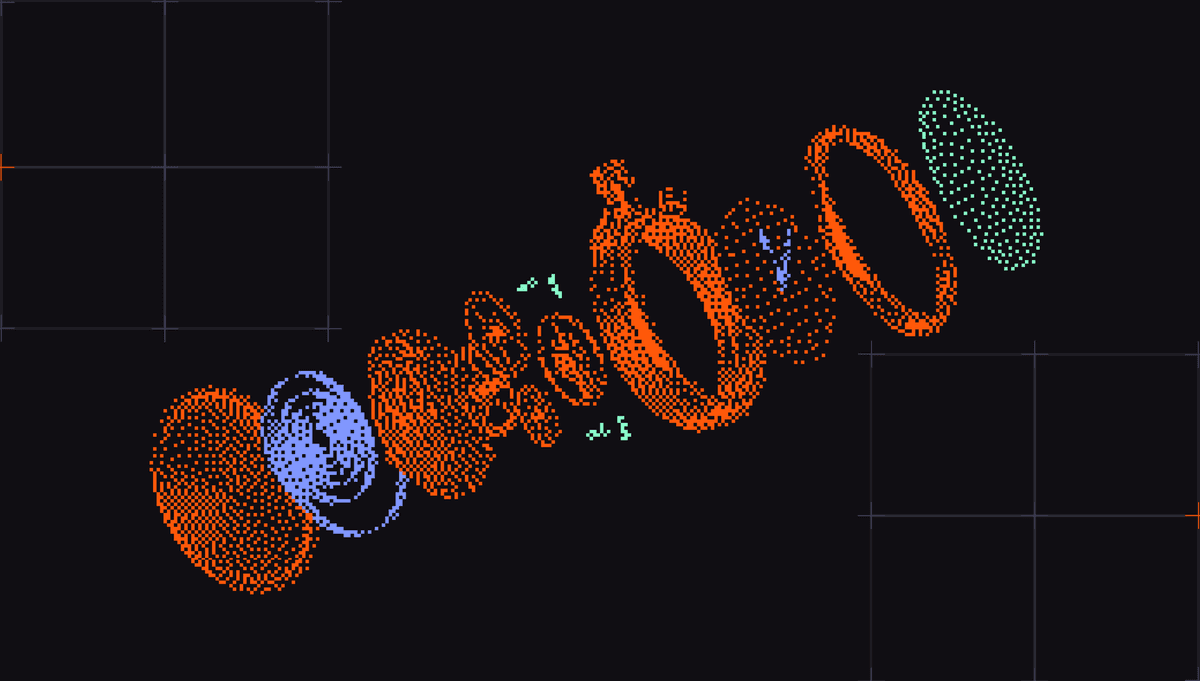
How Runtime Verification works in CodeRabbit Secure
Testing a suspected vulnerability takes more than sending a request and checking the response. Runtime Verification in CodeRabbit Secure turns a Deep Scan finding into a Reproducer Guide, runs it with Runtime Analysis in a prepared environment, and shows whether the application was ready and the intended code path was exercised.
More articles by Konrad Sopala

Why it’s time to fight AI with AI
Attackers now point AI at unfamiliar code to trace workflows and probe the assumptions its authors made. Deep Scan in CodeRabbit Secure does the same for your team first: it investigates committed code, verifies findings independently, and shows the evidence before you decide what to fix.
10.28.26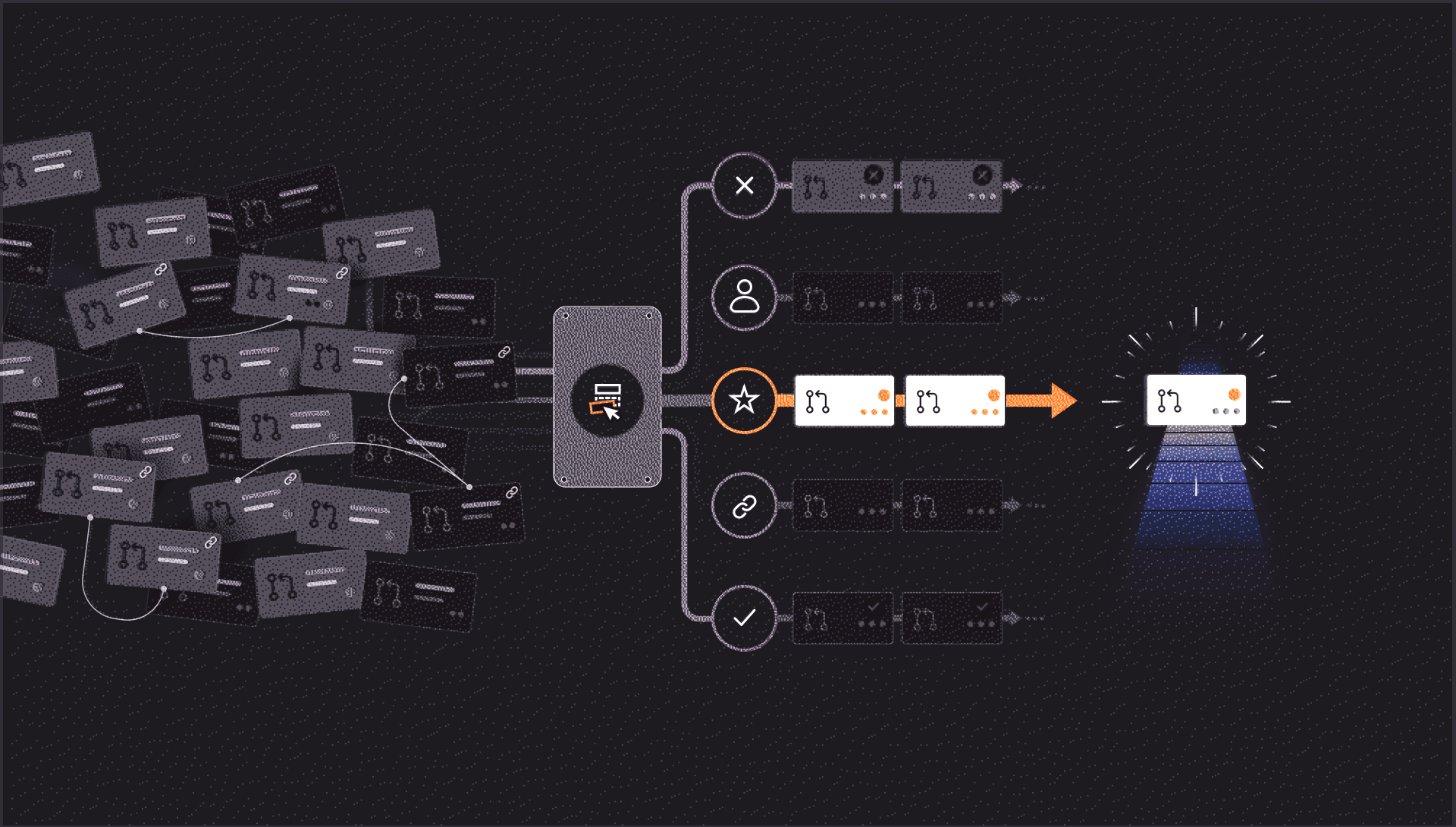
Rethinking PR triage from first principles
CodeRabbit Triage brings priority, risk, ownership, and next-action context into the pull request queue so reviewers know where their attention is needed.
09.18.26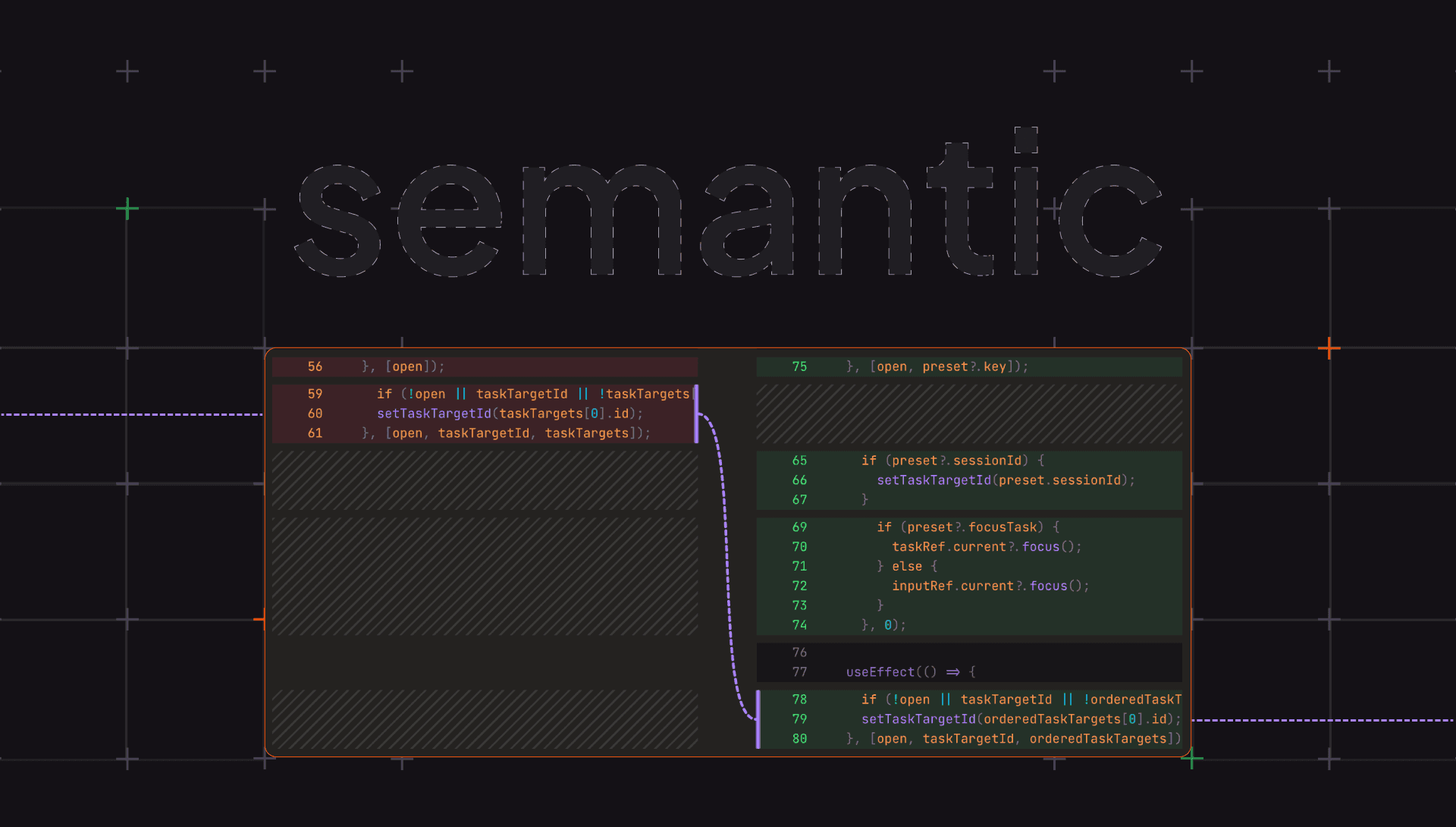
The diff says 1,400 lines. The change is six
CodeRabbit Review now has a semantic diff view that groups moved blocks and surfaces token-level edits, so the actual change isn't buried inside 1,400 lines of noise.
05.21.26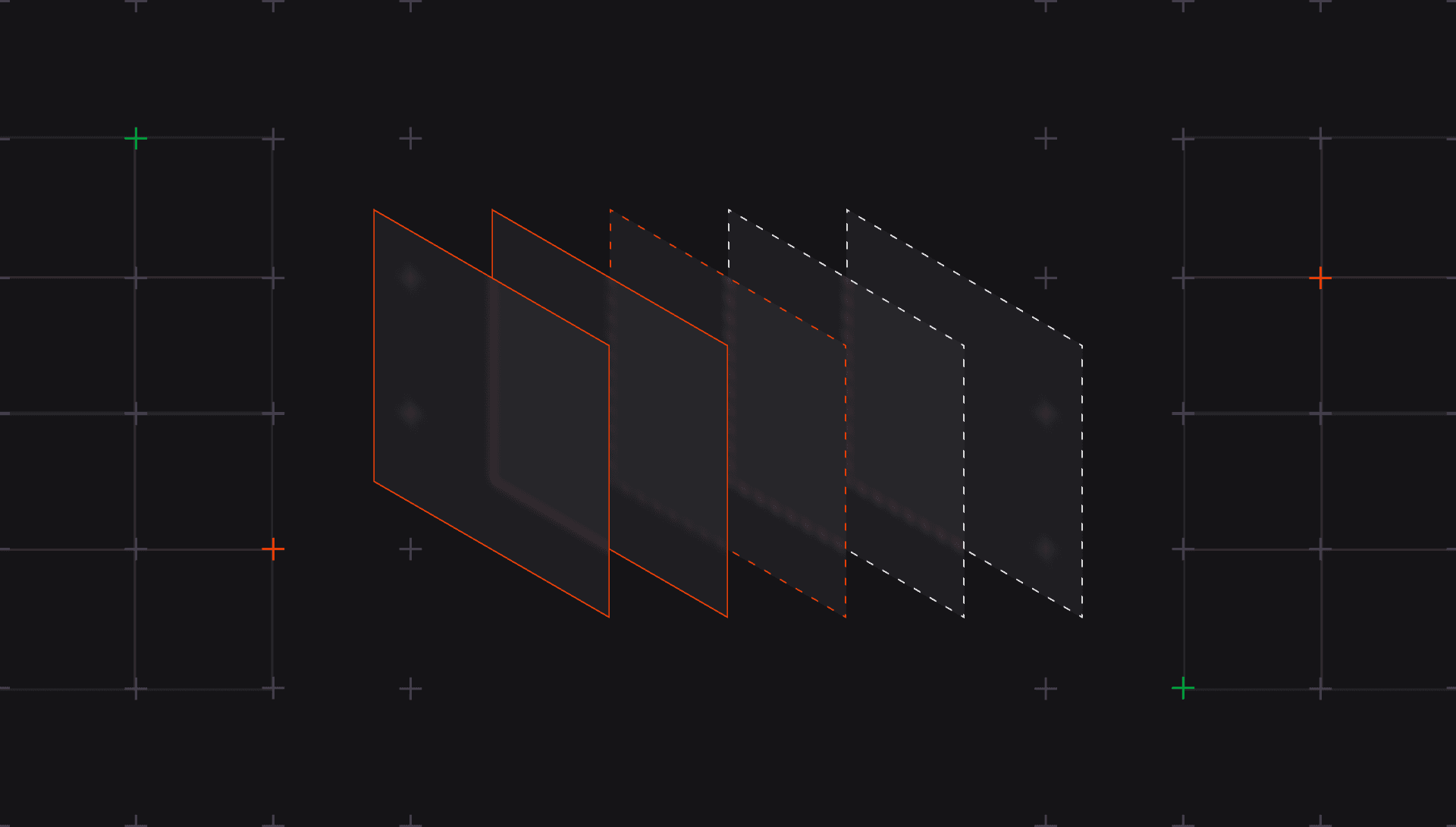
A major walkthrough upgrade: explainable PRs and smarter reviewer routing
CodeRabbit's PR walkthrough now organizes changes into logical layers and routes reviews to the right people automatically, so you spend less time reconstructing what happened and more time actually reviewing it.
05.14.26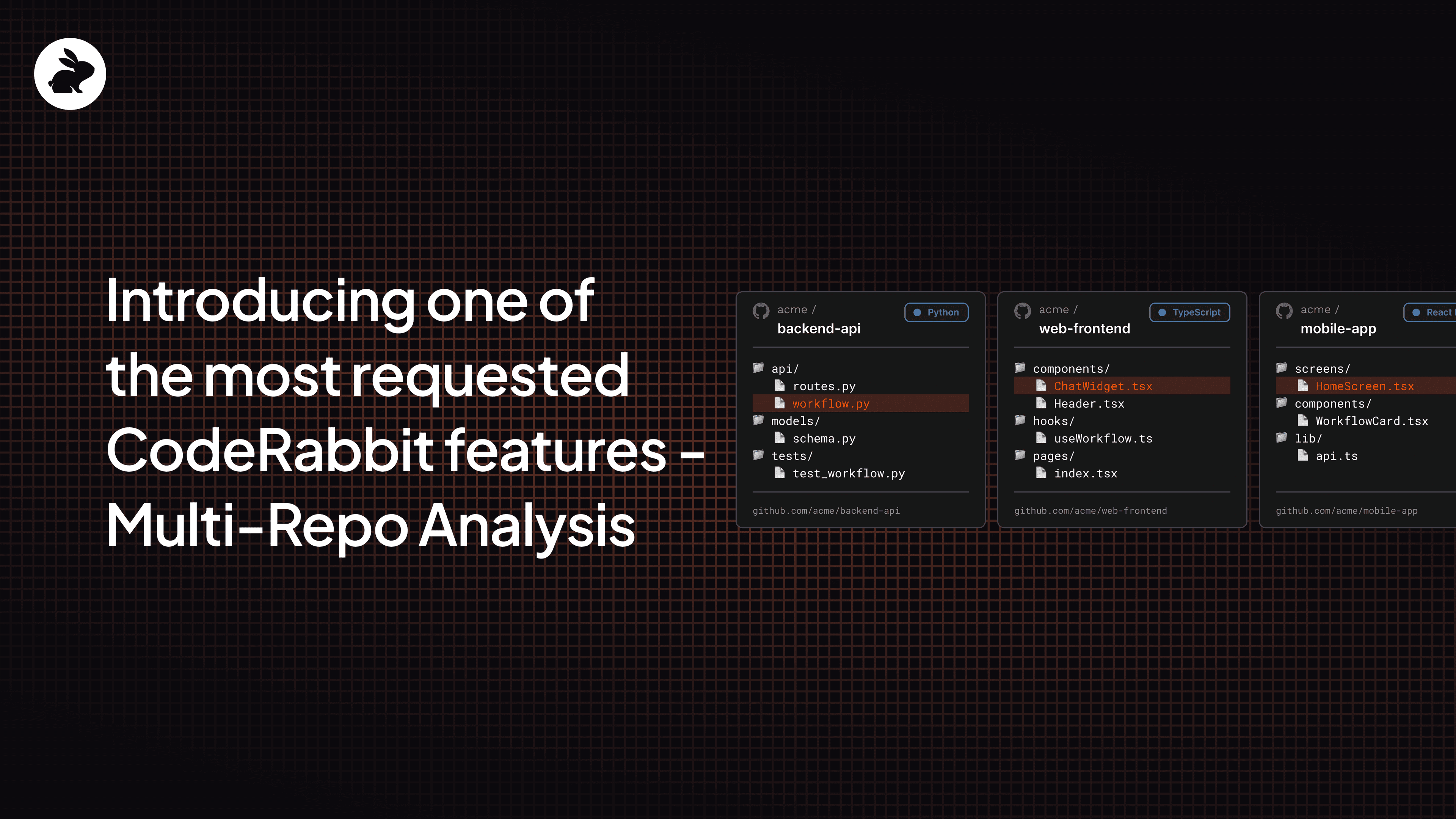
Introducing one of the most requested CodeRabbit features: multi-repo analysis.
If you've ever merged a pull request that passed every check, looked clean in review, and then broke a downstream service ten minutes later…you already know the problem. When your architecture spans m
03.06.26