Priyanka Kukreja
July 14, 2026
4 min read
July 14, 2026
4 min read

Cut code review time & bugs by 50%
Most installed AI app on GitHub and GitLab
Free 14-day trial
When we started building CodeRabbit, we had a theory about trust: if the AI explains its findings, developers can verify them, and verification builds trust. So we explained thoroughly. Every finding came with context or reasoning. We still believe that was the right call. AI models were far less capable than they are today, and developers had good reason to approach their conclusions cautiously. An AI reviewer that surfaces findings without explaining them is asking to be ignored, or worse, blindly followed.
And it worked. That thoroughness gave teams a way to evaluate CodeRabbit's reviews and build trust over time. Developers rarely had to guess what CodeRabbit was thinking, and that transparency is what made the findings verifiable rather than oracular.
But somewhere along the way, we noticed that the teams who trusted us most were asking for something different.
That insight led us to Quiet mode, a new review profile that preserves the full review while reserving inline comments for the findings most likely to matter.
The value of comprehensive code review feedback depends on where a team is in its relationship with the tool. When you're evaluating an AI reviewer, every explained finding is evidence. You want the volume, because volume is how you learn what the tool catches and whether its reasoning holds up.
Once that trust is established, the calculus shifts. Inline comments aren't free. Each one is an interruption in a conversation between humans, asking the developer to stop, evaluate, and decide whether it matters right now. On a large or routine PR, a genuinely thorough review produces a lot of findings. When they all arrive with equal prominence, a critical logic error and a minor suggestion land in the same thread with the same visual weight, and the developer inherits the job of ranking them.
For a tool that hasn't earned trust yet, leaving the ranking to the developer is a reasonable decision. Ranking requires judgment, and judgment is exactly what users are right to withhold from a tool they haven't verified. But teams that have watched CodeRabbit be right hundreds of times don't need every finding re-litigated inline. They've done the verification. What they need now is prioritization. Asking them to keep doing the ranking themselves stopped being transparency and started being homework.
That's the refinement in how we think about explainability. It isn't the volume of explanation, and it was never supposed to be. It's whether the right explanation reaches you at the moment it can change your decision. Comprehensive feedback served that goal when trust was being built. For teams past that point, targeting serves it better.
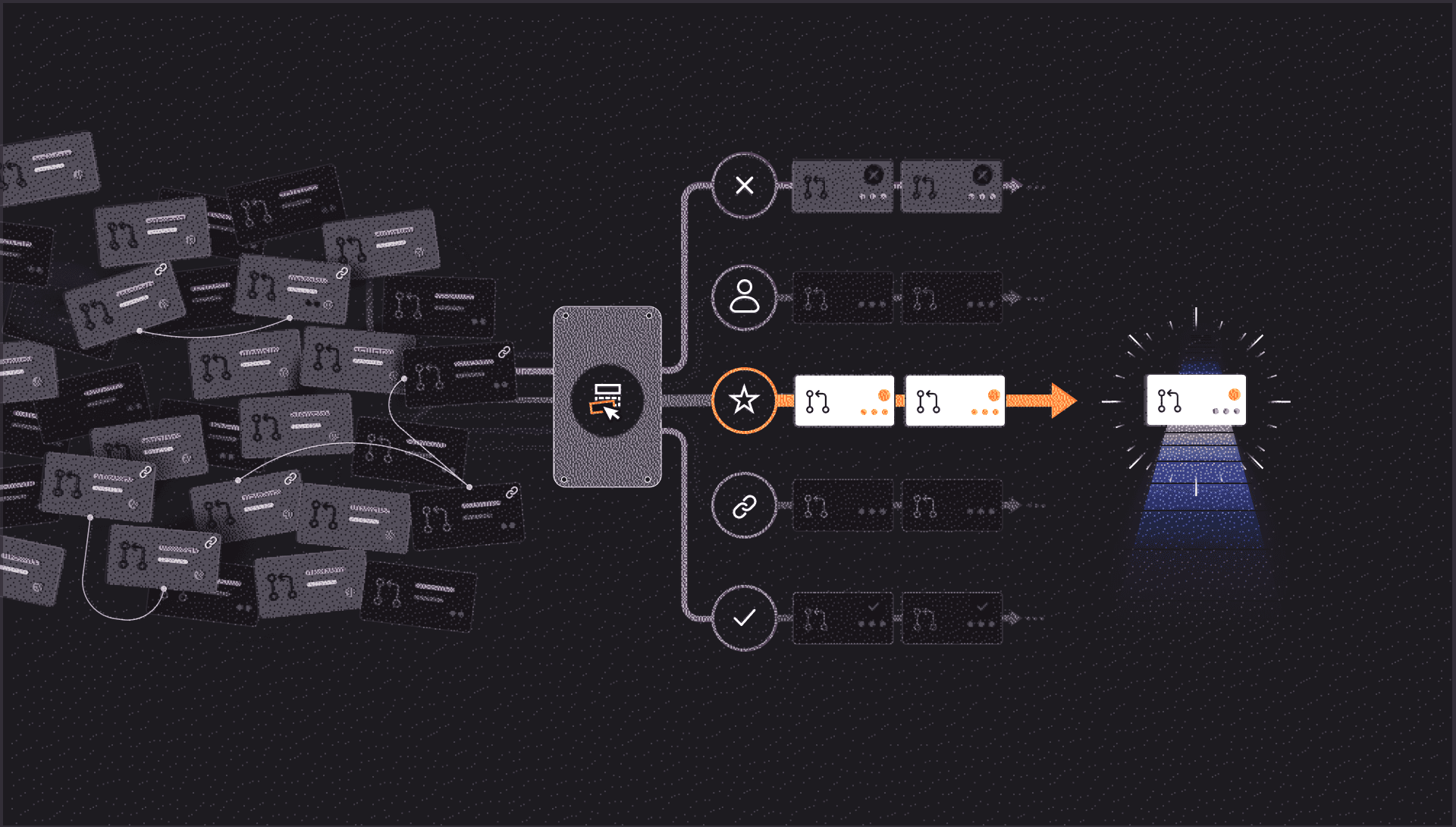
When Quiet mode is enabled, CodeRabbit reviews the PR exactly as it always has: same depth, same coverage. What changes is the publishing decision. Only the findings most likely to change the outcome of the PR, for example the critical and major issues that CodeRabbit classifies as high-reward, get posted inline. Everything else moves into grouped sections in the review summary. Other critical and major findings move into one group, minor and informational findings into another.
Nothing is discarded. The full review is still there, one expansion away, organized by how much it should matter to you. The PR conversation stays focused on the comments worth stopping for, and the summary notes that Quiet mode is on so nobody wonders whether CodeRabbit went quiet on its own.
This targeted explainability is our product decision. The review engine's job is to find everything. The interface's job is to be honest about priority: to say, in effect, these findings are why we interrupted you. The rest is here when you want it. That second sentence is an explanation too.
Quiet mode joins Chill and Assertive as the third review profile, and together they make the tradeoff explicit rather than implicit. Assertive is for teams that want everything surfaced inline, nitpicks included, and plenty of teams genuinely do. Chill, the default, is the balanced middle. Quiet is for teams that already trust the review and want the PR thread reserved for the findings that matter most.
None of these profiles changes how much CodeRabbit reviews. They change how it communicates what it found. That's the right layer for the choice to live at, because teams differ in how they read PRs, not in whether they want bugs caught.
You can't prioritize findings you haven't discovered yet, and you can't be selective with your insights until you've proven you have the depth to back them up. CodeRabbit's early, comprehensive era wasn't a mistake. It was the essential first act.
Quiet mode exists because engineering teams now trust our reviews so deeply that the bottleneck has shifted. The question is no longer, "Did the AI catch the issue?" It has become, "Is my PR thread readable?"
Quiet mode is available now via reviews.profile: quiet in your CodeRabbit configuration.